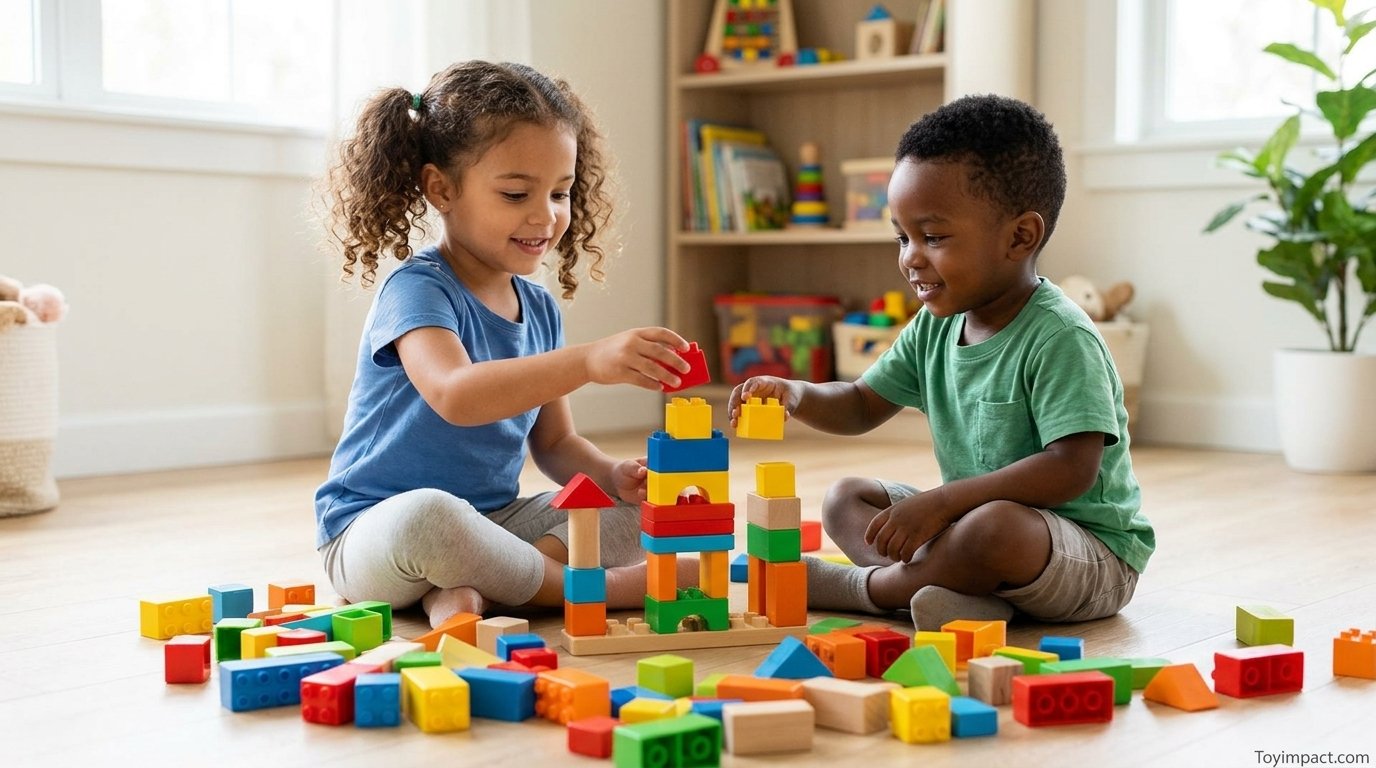
8 Best Toys for Siblings to Play Together
Real toys, real testing notes, and honest trade-offs — the picks that actually get brothers and sisters building, laughing, and playing side by side instead of fighting over the remote.
Anyone who’s raised more than one child knows the paradox: siblings can be a toddler’s favorite playmate one minute and their fiercest rival the next. The right toy doesn’t just fill an afternoon — it changes the dynamic in the room. Instead of two kids parked in front of two separate screens, or worse, locked in a tug-of-war over one toy, a well-chosen shared toy turns “mine” into “ours.”
I spent weeks testing toys across different sibling age gaps — a 3-year-old and a 6-year-old, a 5-year-old and an 8-year-old, and a pair of tweens — to find out which ones genuinely hold up to shared, repeated, real-world play rather than just looking good in a marketing photo. Some of these are quiet, focus-building toys for a rainy afternoon. Others are loud, competitive, and built for burning off energy before dinner. All eight made the cut because they survived multiple kids, multiple moods, and multiple weeks without ending up forgotten in a closet.
If you’re shopping for a specific age group rather than a sibling pair, our best toys under $20 for toddlers guide and our educational toys for 3-year-old boys roundup are good companion reads. But if you’re trying to solve the “what will keep both of my kids occupied together” problem, keep scrolling.
Quick Comparison Table
Before the deep dives, here’s the short version. This table lines up all eight picks by age range, play style, and what actually makes them work for two (or more) kids at once.
| Toy | Best Age Range | Play Style | Best For | Noise Level |
|---|---|---|---|---|
| Melissa & Doug Wooden Building Blocks | 2–8 yrs | Open-ended building | Wide age gaps | Low |
| Hasbro Jenga Classic | 6+ yrs | Turn-based skill game | School-age siblings | Low–Medium |
| Spin Master Kinetic Sand Playset | 3–8 yrs | Sensory / creative | Parallel play, younger pairs | Low |
| Nerf Elite 2.0 Two-Blaster Pack | 8+ yrs | Active / competitive | Energetic siblings | Medium |
| Hasbro Connect 4 Grid Game | 6+ yrs | Strategy game | Quick head-to-head rounds | Low |
| Osmo Genius Starter Kit | 5–10 yrs | Tech-assisted learning | Screen time with substance | Low |
| Little Tikes Cozy Coupe | 1.5–5 yrs | Imaginative / physical | Toddler + preschooler pairs | Medium |
| Melissa & Doug Wooden Marble Run | 4–10 yrs | Building / cause-effect | Collaborative construction | Low |
Developmental Benefits of Shared Play for Siblings
Before diving into specific toy recommendations, it helps to understand exactly what children gain when they play together rather than side by side. The developmental literature on shared play between siblings is surprisingly rich, and it points to benefits that go well beyond simple socialization.
Language and Communication Skills
Siblings who play together regularly develop a richer vocabulary and more nuanced communication skills than those who primarily play alone. This happens because shared play creates constant demand for verbal negotiation — explaining your idea for a building project, asking your sibling to hand you a specific piece, describing what you want the marble track to do, or arguing your case for why the Nerf battle rules should change. Each of these moments is an organic language lesson that no workbook or educational app can replicate.
Research from the University of Cambridge’s Centre for Family Research found that siblings who engaged in constructive play together (building, creating, problem-solving) showed measurable improvements in narrative language skills — the ability to tell a coherent story with a beginning, middle, and end. This makes sense when you think about it: building a marble run together is essentially a collaborative story where you’re constantly narrating what’s happening, what went wrong, and what you’ll try next.
For younger siblings especially, playing alongside an older brother or sister provides what linguists call a “language scaffold” — the older child uses slightly more advanced vocabulary and sentence structures than the younger one would encounter from same-age peers, which gently stretches the younger child’s language comprehension without the pressure of a formal teaching situation. A 3-year-old playing building blocks with a 6-year-old will hear words like “foundation,” “balance,” and “structure” in a natural, contextual way that makes those words stick far more effectively than flashcard drills.
Social-Emotional Development
Shared play between siblings is one of the earliest and most consistent contexts in which children learn to manage their emotions in a social setting. Unlike playing with a parent — who will typically accommodate the child’s preferences and smooth over conflicts — playing with a sibling means encountering someone who has their own agenda, their own frustrations, and their own ideas about how things should go. That friction, handled well, is enormously valuable.
Children who regularly engage in shared play with siblings develop stronger empathy skills during the preschool and early elementary years. They learn to read a sibling’s facial expressions and body language, to recognize when their brother or sister is getting frustrated before it erupts into a meltdown, and to adjust their own behavior in response. These are the same skills that later translate into successful friendships, classroom collaboration, and eventually workplace teamwork.
Turn-taking — a core feature of games like Jenga and Connect 4 — builds patience and impulse control, two executive function skills that are strongly correlated with academic success later in life. A child who has practiced waiting for their turn hundreds of times during sibling game nights is better equipped to wait their turn to speak in a classroom discussion, to hold up their hand rather than shouting out an answer, and to tolerate the frustration of not always being first.
Cognitive and Problem-Solving Skills
When two children work together on a building project, a puzzle, or a marble run track, they’re engaging in what psychologists call “collaborative cognition” — the process of thinking through a problem together, pooling their knowledge, and arriving at a solution that neither would have found alone. This is fundamentally different from solving a problem individually, and it builds a specific set of cognitive skills that are increasingly valued in education and professional settings.
Collaborative problem-solving teaches children to evaluate multiple approaches simultaneously. When one sibling suggests building the marble track one way and the other suggests a different approach, both children are forced to think critically about the merits of each idea, predict outcomes, and make a joint decision. This kind of evaluative thinking is a higher-order cognitive skill that doesn’t develop as naturally through solo play.
There’s also a significant body of research showing that children learn mathematical and spatial concepts more effectively through hands-on shared construction play than through individual instruction. Building with blocks together requires estimating, comparing sizes, understanding symmetry, and mentally rotating shapes — all foundational math skills that are being practiced in a context that feels like fun rather than homework.
Physical Development
Shared physical play — whether it’s pushing a Cozy Coupe around the yard, engaging in a Nerf blaster battle, or simply reaching across a play surface to place a block in a collaborative tower — develops gross and fine motor skills in a context that adds the complexity of social coordination. A child riding in a Cozy Coupe while a sibling pushes is practicing balance and spatial awareness while simultaneously monitoring another person’s movements. A Nerf battle requires hand-eye coordination, running, dodging, and the fine motor control of loading and aiming — all skills that are being refined through play that happens to also be great cardiovascular exercise.
Fine motor development also benefits from shared play with toys like kinetic sand, building blocks, and marble runs, where children are manipulating small pieces in coordination with a partner. The added social dimension — wanting to keep up with a sibling, contributing to a shared build, demonstrating a technique to a younger brother or sister — provides motivation that pushes children to practice motor skills more intensely and for longer stretches than they would during solo play.
These developmental benefits aren’t just academic observations — they show up in everyday parenting life. The sibling pair that has spent months building marble runs together and playing Connect 4 will bring those problem-solving habits and communication patterns into every other part of their relationship. The investment in shared play pays dividends far beyond the playroom floor.
1. Melissa & Doug Wooden Building Blocks Set
This 100-piece set of solid wood blocks in classic geometric shapes is the toy that made the most sense the moment two kids of very different ages sat down at the same bin. There’s no rulebook, no batteries, and no “right” way to use it, which is exactly why it works across a 3-year age gap without either child feeling babied or shut out.
What stood out during testing was how naturally the roles split without any adult coaching. The older sibling tended to gravitate toward architecture — building bridges, arches, and multi-level towers — while the younger one was happy stacking, knocking down, and sorting by color or shape. Both were working with the same pile of blocks, in the same physical space, toward a shared structure that neither could have built alone as quickly.
The wood itself is smooth-sanded maple with a non-toxic finish, and after weeks of being dropped, chewed on the edges by a toddler, and stepped on more than once, none of the pieces splintered or chipped. That durability matters for a shared toy, since two kids handling the same set means roughly double the wear a single-child toy would see.
Pros and Cons
Pros
- Open-ended play works for toddlers through early elementary kids
- Solid wood construction holds up to years of shared use
- Encourages natural role-splitting between age groups
- No batteries, screens, or small choking-hazard pieces for the 3+ shapes
Cons
- Wooden blocks can be loud on hard floors
- Storage bin lid isn’t the sturdiest part of the set
- Not ideal if you have a child who still mouths small objects
| Piece Count | 100 wooden blocks, 12+ shapes |
| Material | Solid hardwood, non-toxic finish |
| Recommended Ages | 2–8 years (best sibling range) |
| Storage | Wooden storage box included |

Check current pricing and availability for the Melissa & Doug Wooden Building Blocks Set.
Check Price on Amazon2. Hasbro Jenga Classic Game
Jenga earns its spot because it’s one of the few games where an 8-year-old and a 12-year-old can play on genuinely equal footing — steady hands matter more than reading level or math skills. The 54 precision-cut wooden blocks stack into a tower, and players take turns pulling one out from lower down and placing it on top, with the tension building as the tower gets wobblier.
What makes it a strong sibling pick specifically is the shared suspense. Unlike games where one kid can pull far ahead, Jenga resets the stakes with every single turn — the tower could fall on your sibling’s move just as easily as your own, which keeps both kids invested until the very end. It also naturally teaches turn-taking and graceful losing, since the tower falling is a shared, almost comedic moment rather than a personal defeat.
Rounds run five to fifteen minutes depending on how cautious the players are, which makes it an easy “one more game” toy for car ride waiting, rainy afternoons, or filling the twenty minutes before dinner’s ready.
Pros and Cons
Pros
- Genuinely age-neutral — younger siblings can compete fairly
- Builds fine motor control and steady-hand focus
- Fast rounds mean quick replay without losing interest
- Compact and easy to store or travel with
Cons
- Not ideal for kids under 6 who may get frustrated easily
- Tower collapse can spook younger or sensitive players
- Wooden blocks can warp slightly if stored in humidity
| Piece Count | 54 wooden blocks |
| Players | 1 or more |
| Recommended Ages | 6+ years |
| Play Time | 5–15 minutes per round |

See current pricing for the Hasbro Jenga Classic Game.
Check Price on Amazon3. Spin Master Kinetic Sand Playset
Kinetic sand is the toy I’d recommend first for siblings who tend to bicker over turn-taking, because a full playset comes with enough sand and molds that neither kid is waiting for a single shared resource. It holds its shape like wet beach sand but never actually dries out or crumbles, and it doesn’t stick to hands, clothes, or carpet the way regular sand or slime does.
The sensory appeal crosses age lines in a way that’s hard to replicate with other materials. A 3-year-old is content squishing it through their fingers, while a 7-year-old will spend twenty minutes carving tunnels and building elaborate sandcastle scenes. Because both kids can work in the same tray without needing the exact same piece at the exact same time, it sidesteps a lot of the “that’s mine” conflict that comes up with toys that only have one of something.
Cleanup is genuinely easier than it looks — the sand clumps together rather than scattering, so a quick pass with the included tray or a dustpan handles most spills. It’s not entirely mess-proof, so a plastic mat or tray underneath is worth the extra five minutes of setup.
Pros and Cons
Pros
- Enables true side-by-side play without needing to share one piece
- Sensory-friendly texture soothes rather than overstimulates
- Doesn’t dry out, mold, or require water for cleanup
- Works well as a calm-down activity after high-energy play
Cons
- Can still track onto carpet if a tray isn’t used
- Not safe for children who still mouth toys
- Additional sand refills are sold separately for bigger builds
| Included | Kinetic sand, molds, tools, tray |
| Recommended Ages | 3–8 years |
| Cleanup | Self-binding, no water needed |
| Play Style | Parallel/sensory play |

Check current pricing for the Spin Master Kinetic Sand Playset.
Check Price on Amazon4. Nerf Elite 2.0 Two-Blaster Pack
For siblings who need to burn off energy rather than sit still, the two-blaster pack solves the single biggest source of Nerf-related fights: only having one blaster to fight over. Each blaster comes with its own set of darts, so both kids start on equal footing instead of negotiating whose turn it is.
The Elite 2.0 line uses a pump-action or slide-priming mechanism (depending on the specific blaster models included in the pack) that’s easy enough for an 8-year-old to operate independently but still satisfying for an older sibling. Accuracy is noticeably better than entry-level foam blasters, which actually reduces arguments — when darts consistently hit where you aim them, there’s less “that wasn’t fair” back-and-forth after a round.
This is very much an active, indoor-or-outdoor toy rather than a quiet-time one, so it’s best paired with clear house rules about no head shots and where blaster battles are allowed. Once those ground rules are set, it becomes one of the easiest ways to get siblings running around together instead of on separate screens.
Pros and Cons
Pros
- Two blasters eliminate the single biggest sharing conflict
- Good accuracy reduces “that’s not fair” arguments
- Great outlet for active, high-energy siblings
- Compatible with most standard Nerf Elite darts
Cons
- Not recommended for kids under 8 without supervision
- Foam darts get lost easily and can end up anywhere
- Requires house rules to avoid roughhousing escalating
| Included | 2 blasters, darts, dart storage |
| Recommended Ages | 8+ years |
| Power Source | Manual priming, no batteries |
| Best Setting | Backyard or large open room |

Check current pricing for the Nerf Elite 2.0 Two-Blaster Pack.
Check Price on Amazon5. Hasbro Connect 4 Grid Game
Connect 4 is the toy I’d suggest for siblings who like competing but don’t have the patience for long games. The premise is simple — drop colored discs into a vertical grid, try to line up four in a row before your opponent does — and a full round rarely takes more than five minutes, which keeps rematches coming instead of one kid walking away mid-game.
What makes it work well across a sibling age gap is that the rules are dead simple to explain, but the strategy has real depth once a player starts thinking two or three moves ahead. That means a 6-year-old can play the basic version of the game with a 10-year-old, and as both improve, the games naturally get more competitive and interesting rather than staying stuck at the same skill level.
The grid itself is sturdy plastic with a reliable lever-release mechanism for clearing the board between rounds, which matters a lot when you’re expecting back-to-back rematches. It’s also compact enough to store standing up on a shelf or slide into a game closet without taking up much space.
Pros and Cons
Pros
- Fast rounds keep both kids engaged for repeat play
- Simple enough rules for a wide age range to compete fairly
- Sturdy grid and lever-release mechanism for quick resets
- Compact for storage or travel
Cons
- Discs can scatter and get lost if dropped
- Younger siblings under 5 may need help with strategy
- Limited replay variety compared to open-ended toys
| Included | Grid stand, 42 colored discs |
| Players | 2 |
| Recommended Ages | 6+ years |
| Play Time | Roughly 5 minutes per round |

Check current pricing for the Hasbro Connect 4 Grid Game.
Check Price on Amazon6. Osmo Genius Starter Kit for Fire Tablet
If your household allows some tablet time and you’d rather it involve two kids working together than two kids on separate devices, the Osmo Genius Starter Kit is the strongest option we tested. A small mirror-like attachment clips over the tablet’s camera, letting the games “see” physical pieces — letter tiles, number tiles, drawings, puzzle shapes — that kids move around on the table in front of the screen.
The kit bundles several games covering spelling, math, drawing, and tangram-style puzzles, and most of them naturally support two players taking turns or working together on the same puzzle. Because the actual interaction happens with physical pieces on the table rather than swiping a screen, siblings end up talking to each other, pointing things out, and problem-solving together in a way that’s noticeably different from typical app-based screen time.
It requires a compatible Fire tablet (sold separately for this version) and enough table space to spread out the game pieces, but once it’s set up, it holds attention across a fairly wide age range — a kindergartener can play the letter and drawing games while an older sibling tackles the math and tangram challenges, often trading tips back and forth.
Pros and Cons
Pros
- Combines screen time with hands-on, tactile play
- Multiple games cover a wide skill and age range
- Encourages siblings to talk through problems together
- Feels more educational than typical tablet apps
Cons
- Requires a separately purchased compatible tablet
- Needs decent lighting and table space to work well
- Small game pieces need careful storage between uses
| Included | Reflector, base, game pieces, game access |
| Requires | Compatible Fire tablet (sold separately) |
| Recommended Ages | 5–10 years |
| Play Style | Guided, tactile learning |

Check current pricing for the Osmo Genius Starter Kit for Fire Tablet.
Check Price on Amazon7. Little Tikes 2-in-1 Cozy Coupe / Ride-On
The Cozy Coupe has been a driveway and living-room staple for decades, and the 2-in-1 version earns its place on this list because it naturally supports two different roles at once — one child steers and “drives,” while the other pushes, rides along, or plays passenger. That built-in role split makes it one of the few toys genuinely designed for two kids of different ages and abilities to use together rather than in turns.
During testing, the toddler-preschooler pairs got the most mileage out of it: the older sibling loved “driving” and narrating little errands and adventures, while the younger one was thrilled just to be along for the ride, opening and closing the doors, honking the horn, or being pushed around the yard. It shifts easily between an actively pedaled/foot-powered ride and a push-along mode, which lets the same toy work for a child who’s ready to move independently and one who still needs help.
Assembly is straightforward with basic tools, and the molded plastic body has proven durable enough to survive both indoor carpet crashes and outdoor driveway use across multiple seasons in most households.
Pros and Cons
Pros
- Built-in driver/passenger roles suit two different ages
- Works both indoors and outdoors
- Durable molded plastic body holds up over years
- Encourages imaginative, narrative-driven play
Cons
- Takes up noticeably more storage space than other picks
- Requires some assembly out of the box
- Not ideal for older kids past early elementary age
| Modes | Foot-to-floor ride-on and push mode |
| Recommended Ages | 1.5–5 years |
| Setting | Indoor and outdoor |
| Assembly | Required, basic tools |

Check current pricing for the Little Tikes 2-in-1 Cozy Coupe / Ride-On.
Check Price on Amazon8. Melissa & Doug Wooden Marble Run
Of everything tested for this list, the wooden marble run produced the most actual collaboration rather than parallel or turn-based play. Building a working track that gets a marble from top to bottom without it flying off the edge or stalling out is a shared engineering problem, and two kids working on it together tend to divide the labor naturally — one holding a piece steady while the other slots the next one in, or debating out loud which ramp angle will actually work.
The wooden panels and pegs are chunky and forgiving, which means younger siblings (around 4 and up) can participate meaningfully in construction rather than just watching, while older kids get real satisfaction out of engineering more complex, multi-level tracks. Because there’s genuine trial and error involved — tracks fail, marbles fly off, pieces need to be rebuilt — it also teaches persistence and problem-solving as a team rather than as individual competition.
It takes up a reasonably large vertical footprint once fully built (a stable wall or freestanding panel board is either included or needed depending on the specific set), so it works best in a playroom or bedroom corner where a build can be left standing between play sessions rather than torn down every time.
Pros and Cons
Pros
- Genuinely collaborative rather than turn-based or parallel play
- Builds problem-solving and basic engineering intuition
- Chunky, forgiving pieces work for a wide age range
- Can be left assembled for repeat play over days
Cons
- Takes up more wall or floor space than smaller toys
- Marbles are a choking hazard for younger siblings under 4
- Initial setup can be fiddly the first few times
| Included | Wooden panels, pegs, marbles, chutes |
| Recommended Ages | 4–10 years |
| Play Style | Collaborative building |
| Footprint | Vertical wall/board space needed |

Check current pricing for the Melissa & Doug Wooden Marble Run.
Check Price on AmazonOutdoor Toys for Siblings
Moving the play session outside changes the equation in several important ways. First, there’s more physical space, which means active toys that would be chaos indoors — foam blasters, ride-ons, anything involving running — suddenly become manageable. Second, the sensory environment shifts: grass, sunlight, wind, and natural textures provide a backdrop that calms some children and energizes others, which affects how siblings interact with each other and the toys they’re sharing. And third, outdoor play carries a lower “breakable stuff” risk, which removes one of the invisible friction points of indoor sibling play — the parental hovering over the lamp, the vase, the television screen.
Bubble Machines and Bubble Wands
A bubble machine is one of the simplest and most effective outdoor sibling toys for the toddler-to-preschool age range. The machine does the repetitive work of producing bubbles, which means both children are free to chase, pop, and laugh without needing to take turns blowing a wand. For slightly older pairs, a set of giant bubble wands and a tray of solution creates a more active, skill-based dynamic — one sibling dips and swings while the other pops or tries to catch, and then they swap. The roles are clear, the activity is physical, and the shared delight of a massive bubble floating across the yard tends to override whatever argument they were having two minutes earlier.
Bubble play also scales well across age gaps. A 2-year-old is perfectly happy toddling through a cloud of machine-generated bubbles while a 6-year-old practices the wrist technique for making giant ones with a wand. Both children are engaged, both are outdoors, and neither needs to compromise on what they find fun about the activity.
Water Tables and Sand-Water Play Sets
For families with outdoor space, a water table is one of the highest-value sibling purchases you can make. The best designs have multiple stations — a pouring section, a spinning waterwheel, a channel for floating toys — which naturally distribute two or three children across different activities without anyone needing to wait for a single shared piece. The sensory experience of water play is inherently calming, which means sibling sessions at a water table tend to be longer and less contentious than many other shared outdoor activities.
Water tables work best for sibling pairs where both children are between roughly 18 months and 5 years old. Once kids pass the preschool stage, they tend to outgrow the basic pour-and-splash format, though you can extend the life of a water table by adding older-kid elements like small plastic boats for racing, turkey basters for “experiments,” or food coloring for mixing activities.
Outdoor Sports Sets and Lawn Games
As siblings move into the elementary-age range, outdoor play naturally shifts toward more structured, rule-based activities. A simple T-ball set, a ring toss game, a badminton net set at a low height, or even a set of cones for creating obstacle courses gives siblings a shared activity framework that includes clear rules, scoring, and roles. The key with outdoor sports sets for siblings is choosing equipment that’s sized appropriately for the younger child — if the bat is too heavy or the net is too high, the younger sibling disengages, and you’re back to one kid playing and one kid watching.
Frisbees, kickballs, and relay-race kits are other strong options that require minimal setup and give siblings a shared physical outlet. These are particularly valuable for families where the children have very different activity levels — a high-energy sibling and a more sedentary one can both engage with a frisbee toss at their own pace, and the shared nature of the game (you need someone to throw it back) keeps both children participating.
Nature Exploration Kits
For siblings who are more curious than competitive, a nature exploration kit — typically including a magnifying glass, bug catcher, small binoculars, and a field guide or journal — turns a backyard or park visit into a shared adventure. One child spots the beetle while the other holds the magnifying glass; one sketches the leaf while the other identifies the tree. The built-in roles and the genuine novelty of what they’re discovering together create natural cooperation without any adult scripting.
Nature kits also have the advantage of being inherently open-ended and non-competitive. There’s no “winner” of a nature walk, which makes them especially good for sibling pairs where competition tends to escalate into conflict. The shared wonder of discovering something new — a bird’s nest, a strange mushroom, a caterpillar — creates positive emotional associations with being together that persist well beyond the walk itself.
Chalk, Obstacle Courses, and Active Play
Don’t overlook the humble sidewalk chalk as a shared outdoor tool. Giving siblings a stretch of driveway or patio and a bucket of chalk creates a natural collaborative canvas — they can draw a connected scene, create a hopscotch course together, or design an elaborate obstacle course with chalk-drawn boundaries, start lines, and finish markers. The obstacle course version is particularly effective because designing it becomes a joint project (where should the jump section go? how many times do you have to spin?), and then executing it becomes a shared physical challenge.
For more structured outdoor sibling play, a backyard obstacle course kit with balance beams, stepping stones, and tunnel sections gives siblings a building project that transitions into an active play project. First they assemble the course together — negotiating layout, difficulty level, and order of stations — and then they take turns running it, timing each other, and cheering each other on. That two-phase structure (build together, then play together) is one of the most reliable patterns for sustained, low-conflict sibling engagement.
For parents specifically looking at outdoor options during warmer months, our companion guide on toys for long trips and travel includes several portable outdoor-friendly toys that work well for siblings on vacation or at a park. And for families managing outdoor play in smaller spaces like apartment balconies or shared courtyards, our tips on organizing toy storage in small spaces cover vertical and wall-mounted storage solutions that keep outdoor gear accessible without cluttering shared living areas.
STEM and Educational Toys for Siblings
The intersection of STEM learning and sibling play is one of the most productive areas in children’s toys right now, and for good reason: when two children tackle a science, technology, engineering, or math challenge together, they bring different problem-solving approaches to the same problem, which leads to richer learning outcomes than either would achieve alone. A child who naturally thinks visually pairs well with a sibling who thinks verbally; a risk-taker balances a cautious planner. These complementary styles emerge organically during shared STEM play in a way that formal classroom instruction rarely facilitates.
Magnetic Building Tiles
Magnetic tile sets (brands like Magna-Tiles, PicassoTiles, and Connetix are the major players) are one of the strongest STEM sibling toys on the market, and they earned a near-miss for inclusion in the main picks for this article. The concept is simple: translucent colored plastic tiles with magnets along each edge snap together to form 3D structures — houses, towers, castles, ball runs, and abstract sculptures that a child of any age would struggle to build alone as quickly or as ambitiously as they could with a sibling helping.
What makes magnetic tiles particularly effective for siblings is the “expandability” factor. A 30-piece set is fine for one child, but two siblings working together can build structures that are dramatically larger and more complex, which provides a visible, tangible reward for cooperation. When a 5-year-old and an 8-year-old build a house tall enough for toy figurines to stand inside, both children can see that neither could have made it that big alone — that’s a visceral lesson in the value of teamwork.
Magnetic tiles also teach foundational STEM concepts without feeling like education. Children absorb principles of geometry (how squares and triangles create stable structures), magnetism (opposite poles attract), structural engineering (why wider bases support taller towers), and spatial reasoning (mentally rotating pieces to find the right fit) simply by building and experimenting together. The learning is embedded in the play, which means both siblings stay engaged much longer than they would with a worksheet or explicit STEM lesson.
The age range is impressively wide — most children can start snapping magnetic tiles together around age 2 or 3, and they remain engaging well into the elementary years as children progress from simple flat patterns to elaborate 3D engineering projects. For siblings with a 3- to 5-year age gap, magnetic tiles are one of the few toys where both children can genuinely play at their own level while contributing to the same structure.
Coding and Robotics Toys
For siblings in the 5-to-10 age range, introductory coding toys create a unique shared learning experience. Products like Botley the Coding Robot, the Code & Go Robot Mouse, or LEGO’s coding-inspired sets give children a physical object to program using simple sequential commands — forward, turn left, pick up, repeat. When two siblings work together to program a robot’s path through an obstacle course they’ve built from household objects, they’re practicing logical sequencing, debugging, and collaborative decision-making simultaneously.
The debugging element is especially valuable for sibling play. When a program doesn’t work as expected, children have to talk through what went wrong, hypothesize about the cause, and test a revised approach. This trial-and-error cycle, done with a partner, builds resilience and analytical thinking in a way that’s more engaging than working through a coding app alone. The physical robot gives both siblings something concrete to watch, react to, and adjust, which keeps the less tech-oriented child engaged alongside the more naturally tech-inclined one.
Some coding toys are explicitly designed for two-player modes, where each sibling controls part of the robot’s programming or takes turns as the “navigator” who calls out instructions. Even without a formal two-player mode, the natural workflow of coding toys — plan, test, observe, adjust — lends itself to shared play, since one child can manage the program while the other monitors the robot’s movement and reports back on what’s happening.
Science Experiment Kits
A well-designed science experiment kit turns siblings into lab partners, which is a fundamentally different dynamic from them being competitors or even parallel players. When two children mix baking soda and vinegar to create a volcano eruption, or grow crystals from a supersaturated solution, they’re working toward a shared outcome that both find exciting — the dramatic chemical reaction, the surprise result, the visible crystal growth — and the process naturally involves both children handling different materials or steps.
The best science kits for sibling play include experiments with multiple roles or steps that can be divided between children. A volcano kit where one child builds the mold while the other measures and mixes the “lava” ingredients gives both children ownership without conflict over a single step. A crystal-growing kit where one child prepares the solution while the other prepares the display container distributes responsibility evenly. The key is that neither child is simply watching — both have hands-on contributions that matter to the outcome.
Science kits also create natural conversation prompts between siblings. “Why do you think it turned blue?” or “What happens if we add more?” are questions that flow naturally from shared experimentation, and the back-and-forth of hypothesis and observation that follows is exactly the kind of collaborative thinking that builds both scientific reasoning and sibling rapport. Parents who set up a weekly “experiment time” with a shared science kit often report it becomes one of their children’s most anticipated routines — a structured sibling bonding experience disguised as a chemistry lesson.
Puzzle Sets and Logic Games
Shared puzzles are an underrated STEM sibling activity. A 200-piece jigsaw puzzle spread across a coffee table gives siblings a large-scale spatial reasoning challenge that naturally divides into smaller tasks — one child works on the edge pieces while another sorts by color; one tackles the sky section while the other builds the foreground. The shared progress (watching the image slowly emerge) provides built-in motivation, and the puzzle’s difficulty level can be adjusted by choosing different piece counts to accommodate different age and skill levels.
Beyond jigsaws, logic games designed for two players — Rush Hour, Gravity Maze, or cooperative options like the Forbidden Island board game family — give siblings structured problem-solving challenges that exercise spatial reasoning, logical deduction, and strategic planning. Cooperative logic games are particularly effective for siblings because there’s no winner or loser — both children win or lose together against the game itself, which reframes the competitive dynamic that can make head-to-head games contentious between siblings with different skill levels.
For families specifically interested in the educational angle, our detailed guide on how to introduce STEM toys to preschoolers walks through age-appropriate approaches that work well when a preschooler and an older sibling are learning STEM concepts together, and our educational toys for 3-year-old boys roundup includes several options that pair well with sibling-directed STEM play.
Creative and Art-Based Toys for Siblings
Art and creative play occupy a special niche in sibling dynamics because they’re among the few activities where multiple children can work on the same project simultaneously without needing to take turns or compete for a single resource. A shared drawing surface, a collaborative sculpture, or a joint craft project gives siblings a common creative goal that draws on each child’s individual style and skill level — and the finished product becomes a tangible artifact of their teamwork that can be displayed, gifted, or simply admired.
Shared Art Supplies and Craft Kits
A large roll of craft paper, a set of washable markers, paints, glue sticks, scissors, and a collection of decorative materials (stickers, googly eyes, pom-poms, pipe cleaners) is one of the simplest and most effective shared play setups for siblings across a wide age range. Lay the paper on the floor or a large table, put the supplies in the middle, and let both children contribute to a single mural or collage. The older child might draw a detailed scene while the younger one adds color, stickers, and abstract shapes, and the final product incorporates both of their contributions in a way that’s genuinely collaborative rather than competitive.
Craft kits specifically designed for shared making — friendship bracelet kits, candle-making sets, slime-making kits, or paint-by-numbers canvases — add structure to the creative process while still leaving room for individual expression. Two siblings making bracelets for each other, for instance, are practicing fine motor skills, following sequential instructions, and expressing care for each other all at once. The finished bracelets become wearable reminders of a positive shared experience.
The key to making art-based play work for siblings is having enough materials that neither child is waiting for a specific color, brush, or supply. This sounds obvious, but it’s the most common failure point — a shared set of paints with only one of each color leads directly to the “I need the red” standoff. Either invest in duplicate supplies for the most popular items or set up the play session so that the children are working on different sections of the same project and naturally need different materials at the same time.
Play-Doh and Modeling Compounds
Similar to kinetic sand in its sensory appeal but different in its creative potential, Play-Doh and similar modeling compounds (Crayola Model Magic, Plasticine) give siblings a shared medium for three-dimensional creative play. One child can make a pizza while the other makes the toppings; one can sculpt a horse while the other builds a stable; or both can contribute pieces to a collaborative scene — a garden, a town, a fantasy world — that grows more elaborate over multiple play sessions.
Modeling compounds are particularly good for siblings with different artistic confidence levels. A child who’s reluctant to draw or paint because they feel their output doesn’t look “right” may be more comfortable with the forgiving, three-dimensional nature of sculpting, where shapes can be smooshed and reformed without any sense of failure. This levels the playing field between a sibling who’s artistically confident and one who’s still developing those skills.
The sensory properties of Play-Doh-type compounds also contribute to a calm, focused play atmosphere. The rhythmic kneading, rolling, and shaping is inherently soothing, which makes these materials good choices for sibling play sessions that need to wind down rather than ramp up — after school, before dinner, or during the transition from outdoor play to indoor calm.
Musical Instruments and Sound Toys
A set of simple percussion instruments — a tambourine, maracas, a small hand drum, a xylophone, and a rain stick — creates an instant sibling jam session that’s more structured than banging on pots and pans but still free enough for children of different ages and musical abilities to participate. The older child can establish a rhythm pattern on the drum while the younger one shakes maracas along with the beat, or they can take turns being the “conductor” who sets the tempo and signals when to play loud or soft.
Musical play teaches turn-taking, listening, and coordination in a format that feels like pure fun. It also introduces children to the concept of ensemble performance — the idea that each person’s contribution matters to the overall sound, and that playing together requires paying attention to what the other person is doing rather than just your own part. These are the same skills that underpin successful collaboration in every other domain, from group projects at school to workplace teamwork later in life.
For parents concerned about noise levels, instruments like the kalimba (a small thumb piano), a ukulele, or a set of tuned hand bells produce pleasant sounds at manageable volumes, which makes them more suitable for apartment living or for play sessions near a napping sibling. Electronic options like a kid-friendly keyboard with headphone jacks offer another route — one child plays through the speaker while the other listens through headphones and takes notes on what to try next, then they swap.
Drawing and Illustration Challenges
Structured drawing challenges — “draw the same animal but in your own style,” “take turns adding one element to the same picture,” or “draw what you think our family will look like in 100 years” — transform individual drawing into a shared creative game. These challenges work particularly well for siblings because they provide a common starting point while leaving room for individual interpretation, which means both children feel ownership of the output without competing for the same creative territory.
“Exquisite corpse” style drawing games (where one child draws the top half of a character, folds the paper, and the other draws the bottom half without seeing it) are especially fun for elementary-age siblings and produce hilarious results that become shared inside jokes. The game teaches children to let go of perfectionism, to embrace surprise, and to find joy in collaboration rather than individual control — all valuable creative and social skills.
Pretend and Imaginative Play Toys for Siblings
Pretend play — also called dramatic play or imaginative play — is the original shared play activity. Long before board games, building sets, or coding robots existed, children played pretend together: running a make-believe shop, acting out family scenarios, embarking on imaginary adventures. The toys that support this kind of play are deceptively simple — a play kitchen, a doctor kit, a set of dress-up clothes — but the social and cognitive skills they develop are among the most complex that childhood play produces.
Play Kitchens and Market Stands
A play kitchen or a toy market stand is one of the most effective shared-pretend-play toys for siblings in the toddler-through-elementary range, and the reason is structural: these setups inherently create multiple roles. Someone has to cook while someone else orders; someone runs the shop while someone else buys groceries. These roles can shift fluidly between siblings of different ages, and the social scripts they practice — “What would you like to order?” “That’ll be three dollars, please” — build language skills, social awareness, and mathematical thinking simultaneously.
During testing with sibling pairs, play kitchens produced some of the longest uninterrupted play sessions on this list. A 4-year-old and a 7-year-old would spend 30 to 45 minutes running a “restaurant,” with the older child managing the more complex tasks (writing a menu, calculating “prices,” managing multiple “customers”) while the younger child handled cooking, serving, and decorating. Both children were deeply engaged, both were contributing meaningfully, and neither needed adult input once the scenario was established.
The quality of the play kitchen matters less than you might think — a cardboard box with drawn-on burners and some plastic food works nearly as well as a high-end wooden setup, as long as the props are varied enough to inspire different scenarios. A set of play food, some plates and utensils, a notepad for “orders,” and a few aprons or chef hats give siblings enough material to run increasingly elaborate scenarios over time.
Dress-Up Clothes and Costume Boxes
A well-stocked dress-up box — mixing store-bought costumes with old hats, scarves, oversized shirts, belts, bags, and accessories from thrift stores — is one of the cheapest and most versatile shared-imaginative-play investments a family can make. Siblings naturally gravitate toward complementary roles when dressed up: one becomes the firefighter while the other is the person to be rescued; one is the doctor while the other is the patient; one is the shopkeeper while the other is the customer.
Dress-up play is particularly valuable for siblings because it allows children to try on different social roles and perspectives. A child who’s normally the “bossy” older sibling can practice being the subordinate in a scenario (the student, the patient, the customer), while the younger child gets to practice being the authority figure. This role reversal builds empathy and helps both children understand different perspectives — skills that directly improve sibling relationship quality outside of play sessions.
For families with limited storage, a small dress-up rack or a single trunk that serves as both storage and a prop (a treasure chest, a magic box, a time machine) keeps the dress-up materials accessible without creating permanent clutter. Rotating costumes seasonally — putting away the superhero capes for a few months and bringing out the pirate hats — maintains novelty and extends the life of a relatively small collection.
Figurines, Dollhouses, and Action Figures
Figurine-based imaginative play — whether it involves a dollhouse, a set of animal figures, action figures, or a combination — gives siblings a shared narrative world that they build and modify together. The dollhouse becomes a stage for elaborate family dramas where each sibling controls different characters; the animal figurines populate a farm or zoo that both children construct; the action figures embark on adventures that evolve over days and weeks.
What makes figurine play particularly effective for siblings is the shared narrative ownership. Unlike a board game where the rules dictate the experience, figurine play has no fixed rules — siblings create and modify the story together, negotiating plot developments, character motivations, and outcomes in real time. This kind of collaborative narrative construction is one of the highest-order cognitive play activities, requiring theory of mind (understanding what another character might think or feel), narrative coherence (keeping the story making sense), and social negotiation (deciding together where the story goes).
For siblings with different interests, figurine play offers a natural bridge. A child who loves animals and a child who loves vehicles can combine their collections into a shared scenario — the farm animals need a delivery truck; the construction vehicles are building a zoo. This kind of interest-bridging is harder to achieve with most other toy categories, and it teaches children that their different preferences can complement rather than compete with each other.
Building and Fort-Making Kits
Fort-building kits — sets of connecting rods and fabric covers that let children construct tents, tunnels, and enclosed spaces — produce some of the most enthusiastic sibling cooperation observed during testing. Building a fort large enough for both children to sit inside is inherently a two-person job: someone has to hold the frame steady while someone else connects the pieces, and the negotiation over the fort’s size, shape, entrance location, and “rules” (no grown-ups allowed, quiet voices inside, this corner is mine) exercises exactly the social skills that siblings need to develop.
Once built, the fort becomes a shared private space that belongs to the siblings together — a rare commodity in a family home where most spaces are shared with parents or defined by adult rules. That sense of shared ownership and private space is psychologically important for sibling bonding, as it gives children a physical location associated with their relationship as a team rather than as individuals competing for parental attention or household resources.
Blankets, pillows, and couch cushions work just as well as commercial fort kits for families who don’t want to buy dedicated equipment. The key ingredients are large fabric pieces (sheets, blankets), structural supports (chairs, couch cushions, clothesline), and fasteners (clothespins, binder clips, heavy books). The process of gathering these materials and improvising a structure is itself a shared problem-solving exercise that many children find as enjoyable as the final product.
For more guidance on age-appropriate pretend play and when children typically transition between different types of imaginative play, our article on the best age to introduce Montessori-style toys touches on how open-ended play materials support developmental stages from toddlerhood through the early school years.
Best Toys for Twins
Twin siblings present a unique toy-buying challenge that’s different from any other sibling age gap. Because twins are the same age, they’re competing on a level playing field in a way that a 3-year-old and a 6-year-old never are — both children have the same motor skills, the same cognitive abilities, and (often) the same interests, which means they want the same things at the same time with roughly equal intensity. That sameness is simultaneously a gift (they’re naturally matched play partners) and a minefield (conflict over identical desires can be intense).
The “Two of Everything” Question
The most common question parents of twins ask about shared toys is whether they should buy two of the same item. The honest answer is: it depends on the toy type. For open-ended creative materials — building blocks, art supplies, Play-Doh, kinetic sand — a single shared set actually works better because it creates a reason to collaborate. Two separate bins of blocks produce two separate towers in two separate corners of the room; one shared bin produces a single project that both twins contribute to.
For toys that have a single active-use piece, though — a blaster, a riding toy, a musical instrument, a tablet game — buying two identical items eliminates the single biggest source of twin conflict: waiting for a turn with the one thing both children want right now. The Nerf two-blaster pack in the main picks is essentially this philosophy built into a single product. For ride-on toys, musical instruments, or tablet-based toys, duplicate purchases are often the peacekeeping investment that makes shared play possible.
A middle ground exists for many toy categories. Board games and card games are inherently two-player (or more), so one purchase serves both twins. Construction sets like LEGO or magnetic tiles work well as single sets if the piece count is large enough that both children can build simultaneously without fighting over the same pieces. And cooperative games — where both players work together against the game itself rather than competing — are specifically designed for the “same age, same skill level” dynamic that defines twin play.
Cooperative Board Games for Twins
Cooperative board games deserve special emphasis for twin households because they eliminate the zero-sum dynamic that makes competitive games contentious between two equally matched players. In a cooperative game, both twins win or lose together, which means there’s no gloating winner or devastated loser — just a shared experience of trying, and either succeeding or failing as a team. Games like Outfoxed!, Hoot Owl Hoot!, Race to the Treasure!, and Castle Panic are specifically designed for cooperative play and work well for twins in the 4-to-8 age range.
The cooperative format also teaches twins a specific skill that competitive games don’t: how to make joint decisions when you disagree. When one twin thinks they should go left and the other thinks they should go right on the game board, they have to discuss, persuade, compromise, and commit to a shared decision. This negotiation practice — repeated across dozens of game sessions — builds exactly the communication skills that twins need to navigate their uniquely intense sibling relationship.
Matching and Complementary Sets
Some of the most successful twin toy purchases aren’t identical duplicates but complementary pairs — items that are clearly the same type but with meaningful differences that allow personalization. Two identical dolls with different outfits; two art kits with different project templates; two building sets with different color schemes; two sets of walkie-talkies where each twin picks their own channel name. These complementary purchases satisfy the twin desire for fairness (“we both got one”) while preserving individual identity (“mine is different from yours”).
This personalization aspect is psychologically important for twins, who are constantly navigating the tension between their shared identity as a pair and their emerging individual identities as separate people. Toys that allow personalization — customizing, naming, decorating, or modifying their version of a shared toy type — support this identity development while maintaining the shared play context that makes twin play so naturally rich.
Managing Twin Toy Conflicts
Even with the best toy selection, twin conflict over shared play is inevitable at times. The strategies that work best for twins are slightly different from those that work for different-age siblings, because the “older child defers” dynamic doesn’t apply when both children are the same age. Instead, the most effective approaches emphasize explicit turn-taking systems (a visible timer that both twins can see, a “first chooser” rotation that alternates daily), clear physical territories during shared play (this half of the table is yours, that half is mine), and regular debrief conversations where both twins get to express what worked and what didn’t during their play session.
For twins specifically, teaching the phrase “let’s find a way that works for both of us” as a default response to disagreements — rather than “one of you has to give in” — reframes every toy conflict as a joint problem-solving opportunity. Over time, twins who internalize this framing develop stronger negotiation and compromise skills than most siblings, precisely because the frequency and intensity of their shared play demands constant practice.
Screen-Free Sibling Activities
Every toy on the main picks list is screen-free except the Osmo Genius Kit, and even that one uses physical pieces rather than passive swiping. But it’s worth taking a broader look at screen-free play strategies for siblings, because the question many parents are really asking isn’t “what toy should I buy” — it’s “how do I get both of my kids engaged with something that isn’t a screen for a sustained period of time.”
Why Screen-Free Matters for Sibling Dynamics
The research on screen time and sibling interaction is fairly consistent: passive screen consumption (watching videos, playing solo apps) tends to reduce the quantity and quality of sibling interaction, even when two children are watching the same screen together. Co-viewing does produce some shared reference (“remember when the character did that?”), but it doesn’t generate the active negotiation, problem-solving, and collaborative construction that characterize productive sibling play.
Interactive screen experiences — like the Osmo kit or certain multiplayer console games — produce more sibling conversation than passive viewing, but they still tend to involve less physical activity, less spatial manipulation, and less face-to-face interaction than equivalent screen-free activities. A marble run and a marble run app might teach the same physics principles, but the physical version requires siblings to share space, coordinate hand movements, communicate spatial concepts verbally, and physically manipulate objects together — all skills that the app version doesn’t develop as robustly.
This isn’t a screed against all screen time — there are moments in every family’s day when a shared video or a game on a tablet is the practical choice, and that’s fine. The goal is to ensure that screen-free play occupies a substantial portion of each day, and that the toys and activities available to siblings actively support that goal rather than competing with it.
Building a Screen-Free Play Environment
The physical environment matters more than most parents realize when it comes to encouraging sustained screen-free sibling play. A dedicated play space — even if it’s just a corner of the living room with a defined rug or mat — signals to children that this is where creative, hands-on play happens. When building blocks, art supplies, and imaginative play materials are visible, accessible, and set up in an inviting way, children are significantly more likely to choose them over screens than when those same materials are stored in a closet or high shelf.
The specific layout of the play space affects how siblings interact within it. A table at the right height for both children encourages face-to-face shared activities like puzzles, drawing, and play-dough. A clear floor space encourages building, fort-making, and physical play. A cozy corner with pillows and a basket of figurines encourages narrative and imaginative play. Most families benefit from having at least two of these configurations available at any given time, so siblings can match their play type to their current mood and energy level.
Transitioning Away from Screens
If your children are accustomed to heavy screen time, transitioning to more screen-free sibling play is a process that works best gradually rather than abruptly. The most effective approach, based on both research and practical parenting experience, is to replace screen time with a specific, appealing, screen-free alternative rather than simply removing the screen option. “We’re not watching a show right now” is a lot less effective than “let’s set up the marble run” or “I put out the art supplies for you two” — the latter gives children a concrete, appealing alternative rather than a void.
Having a rotation of three or four “default” screen-free activities that siblings can independently set up and engage with reduces the friction of the transition. If building blocks are always accessible in a living room bin, if art supplies are always ready on the kitchen table, and if a puzzle is always in progress on a side table, siblings can self-direct into screen-free play without needing a parent to orchestrate the activity. Our guide on how often to rotate kids’ toys covers specific rotation schedules that maintain novelty and engagement over time.
Screen-Free Travel and Waiting Activities
Some of the most common screen-time moments in family life happen during travel and waiting — in the car, at a restaurant, in a doctor’s waiting room. Having a dedicated “travel bag” of screen-free sibling activities makes these moments significantly more manageable. Portable games like card games (Uno, Spot It, Go Fish), travel-sized board games (travel Connect 4, magnetic chess), sticker books, and simple art supplies (a pad of paper and colored pencils) give siblings shared activities that work in confined spaces and don’t require setup or cleanup.
For longer travel, our comprehensive guide to the best toys for car rides and long trips specifically covers options that work for two or more children sharing a backseat, including games that siblings can play together without parental involvement and toys that don’t create small-piece disasters in the car.
Competitive vs. Cooperative Play: Which Works Better for Siblings?
One of the most common mistakes parents make when buying toys for siblings is defaulting to either pure competition or pure cooperation without considering which dynamic fits their specific children. Both formats have real value, and the best sibling toy collections include a mix of both — but understanding when each format works, and why, helps you make smarter purchasing decisions and set up play sessions that are more likely to succeed.
When Competition Works
Competitive play — games with a winner and loser, races, challenges with scoring — works best when the siblings are relatively close in age and ability, or when the game’s format naturally levels the playing field. Jenga is a great example of the latter: a 7-year-old with steady hands can genuinely beat a 12-year-old, so the competition feels fair regardless of the age gap. Connect 4 is similar — the strategy develops with practice, not with age, so a younger sibling who has played more rounds can compete effectively against an older sibling who’s newer to the game.
Healthy competition teaches children how to win graciously, lose without crumbling, persist through difficulty, and manage the emotional intensity of high-stakes moments. These are life skills that sibling play is uniquely positioned to develop, because siblings play together frequently enough for the lessons to accumulate, and the relationship is secure enough to withstand the disappointment of losing. A child who loses a Connect 4 game to their brother still has to sit next to him at dinner — which means they have a built-in incentive to process the loss and move on rather than stewing in resentment.
However, competitive play becomes problematic when the skill gap between siblings is consistently large and there’s no mechanical equalizer. If an older child always wins at a game — not because they’re trying harder but because the game inherently favors their developmental stage — the younger child stops wanting to play, and the competitive dynamic becomes a source of resentment rather than engagement. In these situations, either choose a different game with a natural equalizer (steady hands, luck, speed) or shift to a cooperative format.
When Cooperation Works
Cooperative play — building something together, solving a shared problem, working toward a joint goal — works best when the siblings have different skills that complement each other, when the age gap makes direct competition feel unfair, or when the children are in a phase of their relationship where competition has become a source of ongoing conflict. The marble run, kinetic sand, building blocks, and fort-making kits from this list are all primarily cooperative, and they tend to produce longer, calmer, more conversation-rich play sessions than competitive toys.
Cooperative play teaches children that their sibling is a resource rather than a rival — that having a partner in a project makes it more fun, more ambitious, and more likely to succeed than working alone. This lesson is particularly valuable for siblings who have fallen into a competitive rut, where every interaction becomes a contest. Introducing a cooperative toy or activity during a tense period can reset the dynamic by giving children a shared context where winning and losing don’t apply.
The developmental benefits of cooperative play are distinct from those of competitive play. Cooperative contexts build communication skills, empathy, joint planning, and the ability to integrate different perspectives — all skills that are essential for successful relationships throughout life. They also tend to produce more positive emotional memories than competitive play, which means the toy or activity becomes associated with warmth and connection rather than the mixed emotions of winning and losing.
Finding the Right Mix
The ideal sibling toy collection includes both competitive and cooperative options, and lets children choose which mode they’re in on any given day. A shelf with a marble run, a set of building blocks, Jenga, and Connect 4 gives siblings access to both formats and lets them self-select based on their mood, energy level, and the current state of their relationship. On days when they’re getting along well, they might gravitate toward competition; on days when tensions are higher, they might choose cooperation. Over time, this self-selection process teaches children to read their own emotional state and their sibling’s emotional state — a metacognitive skill that serves them well in every relationship they’ll ever have.
Parents can support this self-selection by not pushing a particular format. If one child wants to play a competitive game and the other wants to build something together, the negotiation over which activity to choose is itself a valuable social exercise. Offering a compromise — “let’s build the marble run together first, then play Connect 4” — teaches sequencing, turn-taking at the activity level, and the concept that different preferences can both be honored in a single play session.
Water and Summer Toys for Siblings
Warm weather opens up an entirely different category of shared play that’s worth covering separately, because water and outdoor summer toys have unique properties that make them especially effective — or especially problematic — for sibling play. Water is inherently shared (it flows, it splashes, it fills a common container), which means water play tends to naturally produce the kind of joint attention and collaborative interaction that sibling-friendly toys should encourage. But water also introduces practical considerations — slippery surfaces, wet clothes, sun exposure — that require planning to keep the experience positive for both children.
Sprinklers and Splash Pads
A backyard sprinkler or a small inflatable splash pad is one of the simplest and most universally enjoyed summer activities for siblings of virtually any age gap. Both children are engaging in the same physical activity (running through water), in the same space, with the same goal (getting wet, staying cool, having fun) — the hallmarks of effective shared play. There’s no resource to fight over, no turn to wait for, and no skill gap that disadvantages one child relative to the other.
Splash pads — flat inflatable mats with water jets — are particularly good for younger sibling pairs (toddler and preschooler) because they provide a contained, shallow water play area that’s safe for crawlers and early walkers while still being engaging for older preschoolers who want to run and jump through the jets. The shared space naturally produces side-by-side play, and the sensory experience of water is calming enough that sibling conflicts tend to be less frequent during water play than during dry-land play.
Water Guns and Water Blasters
Water guns and blasters follow the same “two of the same item” principle as the Nerf blasters in the main picks. Buying a two-pack (or two identical individual blasters) eliminates the most common source of conflict and lets siblings jump straight into play. For younger children (ages 4 to 7), small squeeze-bottle water guns work well because they’re easy to operate and the “damage” is minimal — just a small squirt that produces giggles rather than complaints. For older siblings (8 and up), larger pump-action water blasters with greater range and capacity create more exciting, competitive water battles that can fill 20 to 30 minutes of vigorous outdoor play.
Setting up water blaster play with some structure — designated boundaries, a “base” for each child, a scoring system (three hits and you’re out, then reset) — extends the play session and reduces the likelihood of it devolving into chasing and close-range squirting that one sibling inevitably finds less fun than the other. Structured water blaster games also introduce strategic thinking — hiding behind obstacles, planning approaches, conserving water — which elevates the activity beyond simple running and squirting.
Pool and Bath Toys for Shared Play
For families with pool access, shared pool toys are a summer staple. Dive toys (weighted objects that sink and children take turns retrieving), inflatable beach balls, pool noodles, and floating card games give siblings structured activities in the water that range from cooperative (working together to retrieve all the dive toys) to competitive (who can collect the most). Pool noodles deserve special mention as versatile sibling toys — they can be used as balance beams (held between two children walking together), as jousting sticks (gentle pushing games while floating), or as building materials (bending and connecting to make shapes in the water).
Bath time for younger siblings is another context where shared water toys can transform a routine activity into a play session. A set of bath crayons, floating toys, stacking cups, and water-squirting animals gives a toddler and preschooler pair enough material to play cooperatively during bath time, which can reduce the resistance many young children have toward bath routines by reframing the activity as play rather than hygiene.
Sand and Beach Toys
Beach and sand-play toys — buckets, shovels, molds, sifters, and dump trucks — produce the same kind of open-ended, role-splitting play that kinetic sand does indoors, but with the added benefits of a larger space, natural sensory variety, and the option to incorporate water for wet-sand building. Siblings at the beach naturally divide into complementary roles: one digs while the other fills buckets; one architects the sandcastle while the other decorates it; one collects shells while the other arranges them.
A sand-and-water table in the backyard provides a year-round version of beach play for younger siblings. The dual compartments — one side for sand, one for water — give two children a natural division of space, which reduces conflict over resources while still allowing them to interact across the table, share tools, and collaborate on projects that bridge the two sides (building a sand channel that water can flow through, for instance).
Sun Safety Note
Extended outdoor summer play requires active sun protection for both children — broad-spectrum sunscreen reapplied every two hours, hats, shade breaks, and adequate hydration. Because siblings engrossed in shared play are less likely to self-regulate their sun exposure than children playing independently, setting a timer for shade and water breaks every 30 to 45 minutes is a practical safeguard during summer play sessions. This is one area where parental monitoring matters more during shared play, not less, because the social engagement can mask physical discomfort signals that each child might notice more readily when playing alone.
Budget-Friendly Strategies for Multi-Child Toy Shopping
Buying toys for one child is expensive. Buying toys for two (or more) children who play together can feel like a financial strain, especially when you’re trying to find items that work across different ages and interests. But the reality is that many of the most effective sibling toys on this list — and in the broader toy market — fall into the budget-friendly range, and a few strategic purchasing habits can stretch your toy budget significantly further without sacrificing play quality.
Prioritize Versatility Over Novelty
The single most cost-effective strategy for sibling toy shopping is choosing toys with the widest possible play range — items that work across different ages, different play styles, and different contexts (indoor and outdoor, quiet time and active time). A set of wooden building blocks, for example, supports solo play, parallel play, and cooperative play; works for children from age 2 to age 8; functions as a quiet-time activity and a creative construction project; and lasts for years without batteries, consumable parts, or technology that becomes outdated. The cost-per-play-hour of a versatile toy like this is a fraction of what a single-use, single-age, novelty-driven toy delivers.
Our dedicated guide on the best toys under $20 for toddlers highlights several budget picks that work well as shared sibling toys, including basic art supplies, simple musical instruments, and classic open-ended toys that have been proven across generations. Many of these budget picks perform as well as — or better than — their premium counterparts for sibling play, because the simplicity that makes them affordable also makes them more open-ended and versatile.
Buy for the Overlap, Not the Extremes
When shopping for two children with different ages, there’s a natural temptation to buy one toy for the older child and one for the younger, doubling your spending. A more cost-effective approach is to buy one toy that falls in the overlap zone between their interests and abilities — which is exactly what the main picks on this list are designed to do. A single marble run that a 5-year-old and an 8-year-old build together costs less than two separate age-appropriate toys, and it produces better play quality because it creates a shared experience rather than two parallel solo ones.
For siblings with a wide age gap where the overlap is narrow, look for toys with “layers” of engagement — a building set where the younger child can do simple stacking while the older child tackles complex designs, or a game with a basic mode and an advanced mode. These layered toys serve both children from a single purchase, and the layered design is often more engaging for both children than two separate, age-specific alternatives would be.
Second-Hand and Hand-Me-Down Strategies
Many of the best sibling toys — especially wooden toys, board games, and building sets — hold up well enough to be purchased second-hand or passed down through families. Resale shops, online marketplaces, and local parent groups are reliable sources for high-quality toys at a fraction of their retail price. Board games are particularly good second-hand purchases because the components (board, cards, pieces) are typically durable and complete, even when the box shows wear. Building sets and blocks are similarly resilient — a set of Melissa & Doug blocks or Magna-Tiles bought second-hand performs identically to a new set.
Hand-me-downs between siblings also present a strategic opportunity. Rather than buying each child a separate age-appropriate toy, consider buying a higher-quality toy for the older child with the explicit expectation that it will be shared with the younger sibling as they grow into it. A quality marble run purchased for a 7-year-old becomes a shared sibling toy when the younger sibling turns 4 or 5, extending the toy’s useful life and spreading its cost across both children.
Diy and Low-Cost Alternatives
Some of the most effective sibling play setups cost almost nothing. A cardboard box large enough for two children to sit in becomes a spaceship, a boat, a house, or a time machine. Old clothes become a dress-up trunk. Measuring cups, wooden spoons, and plastic containers become a play kitchen. A collection of natural objects — pinecones, rocks, sticks, leaves — becomes a sorting activity, a building material, or props for an imaginary adventure.
The DIY approach works especially well for sensory play materials. Homemade play dough (flour, salt, water, cream of tartar, food coloring) costs pennies per batch and can be customized with different colors and scents. Homemade slime, oobleck (cornstarch and water), and cloud dough (flour and baby oil) are similarly inexpensive and produce the same kind of sensory, parallel-play engagement as their commercial counterparts. The process of making the material together is itself a shared sibling activity that adds to the total play value.
Timing Purchases Strategically
If you can plan toy purchases around major sales events — holiday season clearances, back-to-school sales, mid-year markdowns — the same toys on this list become significantly more affordable. Many parents also find that purchasing one or two high-quality shared toys as birthday or holiday gifts, rather than multiple smaller individual toys, produces better play outcomes at a lower total cost. A single impressive gift that both children can use together (a large magnetic tile set, a marble run, a fort-building kit) often generates more sustained engagement than several smaller gifts that each child plays with alone.
Toy Gift-Giving Guide for Siblings
Gift-giving for siblings — whether you’re a parent, grandparent, aunt, uncle, or family friend — introduces social dynamics that don’t exist when you’re buying for a single child. The core tension is between fairness (both children should feel equally valued) and individuality (each child is a unique person with their own interests). Navigating that tension well makes the difference between a gift that brings siblings together and one that drives a wedge between them.
The Shared Gift Approach
Giving one gift “to both of you” is the most direct way to use a present as a sibling-bonding tool, and it works best when the gift is clearly designed for shared use — a board game, a building set, a fort kit, or a large art supply set. The shared gift approach is particularly effective for holidays and birthdays where gift-giving can inadvertently become a competition (“she got more presents than I did”), because it reframes the occasion as one where the family is investing in the children’s relationship rather than just their individual wants.
The key to making a shared gift feel special rather than cheap (“you’re getting one present instead of two”) is presentation and framing. Wrapping the gift with both children’s names on it, presenting it as “something for you two to do together,” and ideally setting it up for a first play session on the gift occasion itself gives the gift emotional weight that a last-minute “this is for both of you” doesn’t carry.
Individual Gifts That Complement Each Other
When you want to give each child their own gift but still encourage shared play, the strategy is to choose individual items that complement each other rather than duplicate or compete. Two different LEGO sets that can be combined into a single cityscape; two art kits with different project types that can be displayed together; two nature exploration kits with different tools that work better as a pair — these complementary gifts honor each child’s individuality while creating a natural reason to play together after the wrapping paper is cleared.
This approach also works well when the siblings have different interests. A child who loves animals and a child who loves vehicles might each receive their own themed set of figurines, with the understanding that the animals need a truck to transport them and the vehicles need animals to drive to the zoo. The gifts are personalized, but the play potential is shared.
Age-Appropriate Gift Pairing
When gifting to siblings with a significant age gap, the challenge is finding gifts that don’t make the younger child feel left out or the older child feel patronized. The most successful approach is to give the older child a gift that’s at their level and the younger child a gift that’s at their level, but choose items from the same category or brand so there’s a natural connection. A 10-year-old gets a more complex LEGO Technic set while the 5-year-old gets a Duplo set — both are building, both are using bricks, but each child has something appropriately challenging for their stage. A 12-year-old gets an advanced art kit while the 6-year-old gets a washable marker set — both are creating, but the tools match their respective motor skills and artistic maturity.
Experience Gifts for Siblings
Don’t overlook experience gifts — memberships to a children’s museum, tickets to a show, a family cooking class, or a day trip to a zoo or aquarium — as sibling-bonding investments. Experience gifts produce shared memories that last longer than most physical toys, and the shared anticipation, experience, and post-event conversation (“remember when the dolphin jumped?”) contribute to the sibling relationship in ways that material gifts sometimes don’t. For families trying to reduce toy clutter, an experience gift that both children enjoy is a high-value alternative to adding another item to the playroom.
Safety Considerations When Siblings Share Toys
Sharing a toy across an age gap introduces a safety layer that a single-child purchase doesn’t always require. The biggest recurring issue in testing wasn’t any one toy failing on its own — it was younger siblings gaining access to pieces that were sized appropriately for their older brother or sister but not for them.
Small parts are the obvious concern. Marbles, Connect 4 discs, and small building accessories are all fine for a 6-year-old but present a real choking risk for a sibling under 3. If your household spans that range, the safest approach is supervised joint play rather than leaving a bin of mixed-age toys accessible on a low shelf. A closed storage bin that requires an adult (or an older, responsible sibling) to open can prevent a lot of near-misses without banning the toy outright.
Noise and physical intensity matter too, particularly for the more active picks on this list. The Nerf blasters and even enthusiastic Jenga tower collapses can startle a sensitive younger sibling or overwhelm a smaller space. Setting a few house rules — no indoor blaster battles near the baby’s nap room, for instance — goes a long way toward keeping shared play fun rather than stressful.
Finally, keep an eye on wear over time. Because shared toys see roughly double the handling of a single-child toy, check wooden pieces for splintering, foam darts for tears, and ride-on toys for cracked plastic more frequently than you might with a toy used by just one child. A quick monthly check is usually enough to catch problems before they become safety issues.
Toy Safety Standards and Certifications Explained
When you’re buying a toy that two children will handle — often roughly, frequently, and with less individual caution than a single child might apply — understanding basic toy safety standards becomes more than an academic exercise. The good news is that the regulatory framework for toy safety in the United States and Europe is robust, and the major certifications give parents reliable tools for evaluating whether a toy is safe for shared play across different ages.
ASTM F963 (United States)
ASTM F963 is the standard consumer safety specification for toys in the United States, maintained by ASTM International (formerly the American Society for Testing and Materials). It covers a comprehensive range of safety concerns including choking hazards (small parts testing), sharp edges and points, flammability, toxicity of materials (lead, phthalates, heavy metals), electrical safety, and projectile safety (relevant for Nerf-style blasters and other launching toys). Any toy legally sold in the U.S. must comply with ASTM F963, and compliance is verified through testing by accredited laboratories.
For sibling play specifically, the small parts regulation within ASTM F963 is the most relevant component. It requires that toys intended for children under 3 years contain no parts that fit inside a small parts cylinder (roughly the diameter of a toilet paper roll). When buying toys for a household with a toddler and an older sibling, checking the age rating is your first line of defense — a toy rated 6+ will almost certainly contain small parts that are unsafe for a sibling under 3.
CPSC and CPSIA Compliance
The Consumer Product Safety Commission (CPSC) enforces toy safety standards in the United States, and the Consumer Product Safety Improvement Act (CPSIA) of 2008 added additional requirements including mandatory third-party testing for children’s products, stricter lead content limits, and required tracking labels so toys can be traced back to their manufacturer and production batch. The CPSIA also established the CPSC’s public database (SaferProducts.gov) where parents can search for recalls and safety reports on specific toys.
For parents buying toys for siblings, checking the CPSC recall database before purchasing a toy — especially a second-hand or off-brand toy — takes thirty seconds and provides peace of mind. Recalled toys occasionally show up at garage sales, resale shops, and online marketplaces, and a quick search by product name or manufacturer can flag known issues before the toy enters your home.
CE Marking and EN 71 (European Union)
In the European Union, toys must comply with EN 71 (European Standard for Safety of Toys) and carry a CE marking indicating conformity. EN 71 covers similar ground to ASTM F963 — mechanical and physical properties, flammability, chemical composition, and age-appropriate labeling — with some differences in specific testing methods and thresholds. Many of the major toy brands sold globally (Melissa & Doug, Hasbro, LEGO) design to meet both U.S. and EU standards, which means parents are getting the benefit of the stricter standard regardless of where the toy is sold.
What Certifications Don’t Cover
It’s important to understand that safety certifications test the toy itself under controlled laboratory conditions. They don’t test — and can’t test — how two children will interact with the toy in a real-world play environment. A toy that’s perfectly safe for a single careful 6-year-old may present hazards when two excited siblings are playing with it on a hardwood floor near a staircase. Safety certifications are a necessary baseline, but parental supervision and household-specific safety rules (no marbles near the baby, no Nerf battles near the stairs, no ride-on toys near the street) remain essential for sibling play.
Certifications also don’t account for wear over time. A toy that passed all safety tests when new may develop sharp edges, loose parts, or material degradation after months of shared use by two children. Regular inspection of shared toys — particularly checking for splinters on wooden toys, cracks on plastic toys, tears on foam toys, and loosening on assembled toys — is a practical safety measure that goes beyond what any certification can guarantee.
Material-Specific Safety Notes
Different toy materials carry different safety profiles that are worth understanding when buying for a multi-child household. Solid wood toys (like the Melissa & Doug picks on this list) are durable and naturally free of many chemical concerns, but they can splinter if they crack and they’re harder on impact surfaces (heads, feet, hardwood floors) than softer materials. Plastic toys are lighter and less likely to cause impact injuries, but lower-quality plastics may contain phthalates or other chemicals — look for BPA-free and phthalate-free labeling, which most reputable brands now carry. Foam toys (like Nerf darts) are soft and impact-safe, but they degrade faster than wood or plastic and should be replaced when they start crumbling or tearing.
For sensory play materials like kinetic sand, Play-Doh, and slime, check the ingredient list for allergens (some contain wheat, which is relevant for children with celiac disease or wheat allergies) and ensure the product is labeled as non-toxic. For siblings where one child still mouths objects, any sensory material that enters the mouth should be verified as safe for oral contact — many products that are “non-toxic” for skin contact are still not intended for ingestion.
Seasonal Toy Rotation Strategies for Multi-Child Homes
Toy rotation — the practice of systematically cycling toys in and out of active play rather than having everything available all the time — is one of the most effective strategies for maintaining sibling engagement with shared toys over the long term. When every toy in the house is always accessible, children become overwhelmed by choice and default to whatever is most familiar or most recently acquired, while genuinely valuable toys gather dust in the back of the closet. A rotation system keeps toys feeling fresh and maintains the novelty that drives sustained engagement.
Why Rotation Matters More for Shared Toys
Shared toys get more hands per day than single-child toys, which means they wear out their welcome faster — not physically (though that happens too), but in terms of the “this is boring, we always play with this” response that siblings develop when a toy has been in constant rotation for weeks. Because the goal of shared toys is sustained cooperative play, anything that maintains children’s enthusiasm for a toy directly supports the quality of their sibling interaction. A marble run that’s been sitting in the closet for three weeks and reappears on a Saturday morning produces dramatically more excitement and engagement than the same marble run that’s been sitting in the corner of the playroom for two months straight.
Setting Up a Rotation System
A basic rotation system works as follows: divide your toy collection into three or four groups, each containing a mix of toy types (building toys, games, creative supplies, imaginative play items). Put one group out for active play and store the others. Every two to three weeks, swap the active group for one of the stored groups. The toys that come out of storage feel new again, even though they’re familiar, because absence resets the child’s interest and attention.
For sibling households, the rotation system works best when each rotation group contains at least one toy that’s specifically designed for shared play — a board game, a building set, a collaborative project — alongside individual toys. This ensures that every rotation cycle includes a “together” option that the siblings can gravitate toward, rather than each child defaulting to their own preferred solo activity during every cycle.
Seasonal adjustments add another layer to the rotation. Outdoor toys (water blasters, chalk, sports equipment, nature kits) move into active rotation during spring and summer, while indoor toys (board games, building sets, art supplies) take prominence during fall and winter. This seasonal rhythm keeps the toy collection aligned with the activities that are practically available, which reduces the frustration of having outdoor toys accessible during a week of rain or indoor toys accessible when the weather is perfect for the backyard.
Involving Siblings in the Rotation Process
Older siblings — particularly those in the elementary-age range — can be meaningfully involved in the rotation process, which gives them a sense of ownership over the play environment and reduces the “where did my toy go?” complaints that rotation can trigger. Letting each child choose one toy to stay in active rotation at all times (a “must-have” that doesn’t get stored) and one toy they’d like to bring out in the next cycle creates a democratic process that also practices decision-making and compromise.
When siblings disagree about which toys to rotate out, the negotiation itself is valuable practice. “I want to keep the marble run out, but she wants to keep the art supplies out” is a conflict that can be resolved with a simple structure — “this week we keep the marble run, next week we switch to art supplies” — and the experience of reaching that compromise strengthens the children’s ability to negotiate shared resources in every other context.
For detailed guidance on rotation timing and techniques, including specific schedules that work for different family sizes and toy collection sizes, our comprehensive guide on how often to rotate kids’ toys provides practical frameworks that parents can adapt to their household.
Best Picks by Age Combination
Since “siblings” covers everything from a toddler-and-preschooler pair to two tweens, it helps to think about the picks above in terms of specific age combinations rather than treating the list as one-size-fits-all.
Toddler (1–3) paired with preschooler (3–5)
This is the trickiest combination because the younger child’s motor skills and attention span lag well behind the older one’s. The Cozy Coupe ride-on and the wooden building blocks both performed best here, since neither requires the younger sibling to keep pace — they can participate at their own level while the older sibling takes the lead. Water tables and sensory bins also work exceptionally well for this age combination, as both children can engage with the materials at their own developmental level without any skill threshold creating a barrier. Dress-up play and simple imaginative scenarios — playing house, running a pretend restaurant — are also strong choices, as the older child can direct the narrative while the younger one happily follows along with assigned roles like “customer” or “baby.”
Preschooler (3–5) paired with early elementary (5–8)
This gap benefits from toys with a light structure, like Connect 4 or Kinetic Sand, where the preschooler can grasp the basic idea quickly even if their execution is simpler than their older sibling’s. The marble run also shines here, since younger builders can handle the straightforward sections while older kids design the trickier drops. Magnetic building tiles are another standout for this combination — the preschooler can stack and stick tiles together in simple patterns while the older child constructs elaborate three-dimensional structures, and both contribute to a shared build. Art projects with shared materials also work well, as the preschooler can paint, stamp, and sticker while the older child adds more detailed drawings and lettering to the same collaborative canvas.
Early elementary (5–8) paired with tween (9–12)
Once both kids can read instructions and follow multi-step rules, Jenga, Connect 4, and the Nerf two-blaster pack all become fair, competitive options. The skill gap narrows enough at this stage that games built on reflexes or steady hands — rather than raw age or size — tend to produce the most balanced, enjoyable matchups. STEM toys also open up significantly for this age combination — a coding robot that the 9-year-old programs while the 7-year-old builds the obstacle course, or a science experiment kit where one child measures ingredients while the other monitors the reaction, gives both children meaningful roles that match their respective abilities. Cooperative board games designed for mixed ages (Forbidden Island, Pandemic Junior) are also excellent choices, as they present challenges complex enough for the older child while remaining accessible enough for the younger one with some guidance.
How to Choose a Toy Both Kids Will Love
Picking a toy that works for one child is easy — you just match it to their age and interests. Picking one that works for two kids at once means thinking about a few extra variables that don’t matter as much for a single-child purchase.
Match the age gap, not just the ages
A 2-year gap and a 5-year gap call for different strategies. For a small gap, most toys marketed to the older child’s age range will still work. For a bigger gap, look specifically for “open-ended” toys — building sets, sensory play, art supplies — where there’s no single skill threshold a younger child needs to clear before they can participate.
Consider the noise and energy level your space can handle
A toy that’s perfect in a big backyard (like the Nerf blasters) can turn into a headache in a small apartment. Match the toy’s energy level to where it’s actually going to be played, especially if you’re in shared housing or have nap schedules to protect.
Look for toys with more than one “job”
Toys that give each child a distinct role — driver and passenger, builder and tester, first player and second player — tend to reduce fighting over the exact same piece at the exact same moment. That’s a big part of why the Cozy Coupe and the marble run scored so well in testing.
Think about where the toy lives when it’s not being played with
Shared toys get more play time, but they also need a clear home. If storage is tight, our guide on organizing toy storage in small spaces has practical setups that work well for the bulkier picks on this list, like the Cozy Coupe or the marble run panels.
Evaluate the “replay ceiling”
Some toys have a high novelty factor but a low replay ceiling — they’re exciting for the first few uses but quickly become predictable. Other toys have a low novelty factor but a high replay ceiling — they seem simple at first but reveal new layers of engagement over time. For sibling play, high-replay-ceiling toys almost always outperform high-novelty toys, because siblings play together frequently enough to exhaust novelty quickly, and what keeps them coming back is depth rather than flash. Building blocks, marble runs, art supplies, and cooperative games all have high replay ceilings; single-use craft kits, toys with a single predetermined outcome, and toys that rely on a surprise reveal tend to have low replay ceilings.
For kids on the younger end of these age ranges, it’s also worth reading up on the best age to introduce Montessori-style toys, since several of the picks above (the wooden blocks especially) lean into that same open-ended, self-directed philosophy.
Building Emotional Intelligence Through Shared Play
Emotional intelligence — the ability to recognize, understand, manage, and respond to emotions in yourself and others — is increasingly recognized as one of the most important predictors of success in relationships, education, and career. And sibling play, particularly with toys that require cooperation and communication, is one of the most natural and consistent contexts in which children develop these skills during the early years.
Recognizing Emotions in Others
When two siblings play together, they’re constantly reading each other’s emotional signals — facial expressions, tone of voice, body language, and behavioral cues. A child playing Jenga with their sibling learns to recognize the tension in their brother’s face as he reaches for a tricky block; a child building a marble run with their sister notices the frustration when a piece won’t fit and the delight when the marble finally rolls through. These real-time emotional readings happen dozens of times in a single play session, and over months and years, they build a sophisticated emotional vocabulary that transfers to every other relationship the child navigates.
The advantage that sibling play has over peer play in building this skill is consistency. A child sees their sibling’s emotional expressions across a wide range of contexts — excitement, frustration, boredom, triumph, disappointment, silliness — and in a relationship secure enough that both children can express those emotions authentically without fear of permanent social consequences. A child who loses a game to their sibling at home can cry or vent in a way they might not feel comfortable doing in front of a classmate, and that safety to express authentic emotion is what allows the emotional learning to go deep.
Managing Your Own Emotions
Shared play naturally creates situations that require emotional regulation — waiting for your turn, losing a game, watching your sibling’s tower collapse the structure you were both building, accepting that the marble run design won’t work the way you imagined. Each of these moments is a low-stakes practice opportunity for managing frustration, disappointment, and impatience — the emotional muscles that children need to develop for school readiness and social success.
The “low-stakes” part is important. The emotional consequences of losing a Jenga game to your sibling are real but temporary — you feel the sting, you process it, and you set up for another round. This is very different from the higher-stakes emotional challenges of losing a school competition or being excluded from a peer group, and the repeated low-stakes practice that sibling play provides builds the emotional resilience needed to handle those bigger challenges when they arise.
Parents can support this emotional learning by narrating emotions during play without trying to fix them. “I can see you’re frustrated that the tower fell — that makes sense, you worked hard on it” validates the child’s emotional experience without dismissing it or rushing to make it better. Over time, children internalize this narration and begin identifying and managing their own emotions during play without parental prompting — “I’m frustrated but I want to try again” is a remarkably mature emotional statement for a 5-year-old, and it emerges naturally from a play environment where emotions are acknowledged rather than suppressed.
Empathy and Perspective-Taking
Shared play with siblings is one of the primary contexts in which children develop empathy — the ability to understand and share the feelings of another person. When a child notices that their younger sibling is getting bored with the current marble run design and suggests simplifying it so both can participate, they’re exercising empathy in a tangible, behavioral way. When an older sibling modifies the rules of a game to make it fairer for a younger opponent, they’re demonstrating perspective-taking — the cognitive foundation of empathy that allows you to see a situation from someone else’s point of view.
These empathic behaviors emerge more readily from cooperative and open-ended play than from competitive or structured play, which is part of why the best sibling toy collections include a strong cooperative component. Toys that require joint problem-solving — building a structure together, solving a shared puzzle, creating a collaborative art project — create frequent opportunities for each child to consider what the other is thinking, feeling, and needing, which exercises the empathy muscles in a way that solo play or parallel play simply doesn’t.
Emotional Vocabulary and Expression
Children who play regularly with siblings develop a richer emotional vocabulary — a wider range of words for describing emotional states — than children who primarily play alone. This happens because shared play generates a constant stream of emotionally charged situations that naturally prompt verbal expression: “I’m excited about this!” “That’s annoying, it won’t stick.” “I’m worried the tower will fall.” “I’m proud of what we built.” Each of these expressions, spoken aloud in the context of shared play, reinforces the child’s ability to identify and articulate their own emotional states — a foundational emotional intelligence skill that predicts better mental health outcomes, stronger relationships, and more effective communication throughout life.
The sibling relationship, because of its intensity and frequency, generates more of these emotional expression opportunities per day than almost any other childhood relationship. Siblings who play together for even 30 minutes are likely to experience and express a wider range of emotions — excitement, frustration, pride, disappointment, humor, affection, annoyance, satisfaction — than they would in a full day of solo play. That emotional richness is a feature, not a bug, and the toys and play patterns that support it are investments in children’s long-term emotional health.
Conflict Resolution Skills Kids Learn Through Shared Play
Sibling conflict is one of the most common concerns parents bring to pediatricians, family therapists, and parenting forums. The frequency and intensity of sibling disagreements — who gets which toy, whose turn it is, who built the taller tower, who’s cheating — can feel overwhelming, especially when it seems like every play session devolves into an argument. But there’s a less obvious side to this picture: sibling play, including the conflicts it generates, is one of the primary training grounds for conflict resolution skills that children will use for the rest of their lives.
Negotiation and Compromise
Every sibling disagreement over a shared toy is a negotiation exercise. “I want to build the tower this way” / “But I want to build it that way” forces both children to articulate their position, consider the other person’s position, and arrive at a compromise — or experience the consequences of failing to compromise (the play session ends, the toy gets taken away, someone cries). Over hundreds of these micro-negotiations, children develop increasingly sophisticated negotiation strategies: offering trades (“I’ll let you go first if I can pick the color”), proposing alternatives (“what if we build both ways and see which one works better”), and recognizing when to hold firm versus when to yield.
The toys on this list that produce the most negotiation are the open-ended, cooperative ones — building blocks, marble runs, fort kits — because there’s no rulebook dictating how things should go, which means every decision point becomes a negotiation. The toys that produce the least negotiation are the highly structured competitive ones — Connect 4, Jenga — because the rules eliminate most decision points. Both types have value, but for developing negotiation skills specifically, the open-ended cooperative toys are more effective.
Sharing and Turn-Taking
The basic social skill of sharing — taking turns, waiting patiently, giving someone else a chance — is practiced more during sibling play than in any other childhood context, simply because siblings play together more often and in closer quarters than most other social pairs. A child who has taken hundreds of turns at Jenga with their sibling has internalized the rhythm of “my turn, your turn” in a way that makes sharing resources in a classroom or on a playground feel natural rather than imposed.
Turn-taking is also one of the skills that benefits most from parental scaffolding during the early stages. Setting a visible timer, explicitly announcing whose turn it is, and praising successful turn-taking (“I love how you waited patiently for your turn — that was really hard and you did it”) all accelerate the development of this skill. Once internalized, children begin managing turn-taking independently, which is the goal — a child who can self-regulate their turn-taking during sibling play is practicing the same self-regulation they’ll need in every social context for the rest of their life.
Handling Disappointment and Losing
One of the most valuable conflict resolution skills that sibling play develops is the ability to handle disappointment gracefully. Losing a game, having your building knocked over, or watching your sibling get the “better” role in a pretend scenario are all forms of social disappointment that children encounter regularly during shared play. Learning to process these feelings without lashing out, withdrawing, or quitting is a critical life skill that sibling play provides repeated opportunities to practice.
The “repeated” part is essential. A child who loses one game per week at a friend’s house gets 52 practice opportunities per year. A child who plays games with a sibling daily might get 300 or more. That frequency difference means sibling play builds resilience and emotional coping skills faster than almost any other social context. The key for parents is to support the disappointment processing rather than trying to prevent it — letting children lose, feel the sting, and recover on their own (with parental empathy and validation available but not imposed) is more developmentally valuable than rigging games so nobody loses.
Repairing Relationships After Conflict
Perhaps the most unique skill that sibling play develops is the ability to repair a relationship after conflict. Unlike friendships, which children can walk away from when they become difficult, the sibling relationship persists through disagreements, hurt feelings, and outright fights. Children who argue over a shared toy and then resume playing together twenty minutes later are practicing relationship repair — the skill of acknowledging that something went wrong, expressing how they felt, and re-engaging with the other person in a positive way.
This repair cycle — conflict, cooling off, re-engagement — happens naturally during sibling play with minimal adult intervention when the play environment is structured well. Toys that create positive shared experiences (building something together, winning a cooperative game, completing a project) provide the “re-engagement” motivation that children need to move past a conflict. A marble run sitting in the corner of the room is an implicit invitation to try again together, and the shared satisfaction of getting the marble to the bottom successfully repairs the relationship more effectively than any parental lecture about “being nice to your sister.”
Tips for Encouraging Cooperative Play
The toy is only half the equation. A few small habits make a bigger difference in how well siblings actually play together, regardless of which toy is in front of them.
- Set up before handing it over. A few minutes of parent-led setup — laying out the blocks, clearing floor space for the marble run — removes the first common flashpoint: who gets to set up and who has to wait.
- Narrate roles out loud the first time. Saying “you two can take turns dropping discs” or “one of you can hold, one of you can build” the first few times helps kids internalize a fair structure they’ll repeat on their own later.
- Keep a visible timer for turn-based toys. A simple kitchen timer for anything involving a single shared piece (like a single blaster, before you upgrade to a two-pack) cuts down on “it’s been long enough” arguments.
- Rotate which sibling picks the toy. Alternating who chooses the activity avoids the older or more vocal sibling always driving playtime decisions.
- Praise the collaboration, not just the outcome. Calling out “I love how you two figured that ramp angle out together” reinforces teamwork over who “won” or built the tallest tower.
- Establish a “cool-down” routine for heated moments. When play gets too intense or a disagreement escalates, having a standard pause routine — “let’s all take three deep breaths and then decide what to do next” — teaches children that stepping back is a valid conflict resolution strategy, not a punishment.
- Model cooperative behavior yourself. Children learn more from watching adults than from being told what to do. When parents build something together, play a cooperative game together, or demonstrate how to negotiate a disagreement calmly, children absorb those patterns and apply them during their own sibling play sessions.
- Create a “play session” rhythm. Having predictable times when shared play happens — after breakfast, before dinner, Saturday mornings — helps children anticipate and prepare for cooperative play rather than being surprised by it. Predictability reduces resistance and builds shared play into the family routine.
- Debrief after play sessions. A brief, positive conversation after a play session — “what was the best part of playing together today?” or “what should we build next time?” — reinforces positive memories and gives children language for reflecting on their shared experiences.
- Accept imperfect play. Cooperative sibling play doesn’t always look peaceful and harmonious from the outside. Some degree of negotiation, disagreement, and noise is a normal and healthy part of the process. If children are working through conflicts constructively (even if it sounds heated), the play session is succeeding — perfection is not the goal.
These same principles carry over well beyond the toys on this list — they’re just as useful during long car rides or when introducing STEM toys to a preschooler alongside an older sibling who’s already comfortable with building or logic games.
Toy Organization for Multi-Child Homes
When you have two or more children sharing toys, organization isn’t just about tidiness — it’s about accessibility, fairness, and making sure the right toys are available at the right time. A well-organized play space with clearly labeled, easy-to-access storage for shared toys directly supports the frequency and quality of sibling play, while a disorganized toy area where everything is jumbled together in one overflowing bin makes it harder for children to find what they want, increases conflict over scattered pieces, and discourages cooperative play by making setup feel like a chore.
Shared Storage vs. Individual Storage
The first organizational decision for a multi-child household is how much storage should be shared versus individual. A fully shared system — all toys in communal bins accessible to all children — maximizes cooperative play opportunities but can create conflict when one child wants to play with a toy that another is using. A fully individual system — each child has their own toy shelf and their own bins — reduces sharing conflicts but limits the spontaneous shared play that happens when children encounter each other’s toys.
The most effective approach for most families is a hybrid: open-ended shared toys (building blocks, art supplies, board games, sensory materials) live in communal, accessible storage that all children can reach and use at any time, while personal favorites (a beloved stuffed animal, a special LEGO set, a treasured figurine collection) live on individual shelves or in individual bins where the owner has primary control over access. This hybrid respects each child’s need for personal ownership while maintaining a robust shared play inventory.
Labeling and Visibility Systems
Clear labeling on storage containers reduces the “where does this go?” problem that contributes to toy-area chaos. For pre-readers, picture labels (a photo or drawing of the toy category on the outside of the bin) work well; for early readers, simple word labels add a literacy bonus. Transparent or open-top bins are preferable to opaque lidded containers for daily-use shared toys, because visibility reduces the “out of sight, out of mind” problem that contributes to toy neglect.
For the larger shared toys on this list — the marble run, the Cozy Coupe, the fort-building kit — dedicated storage zones (a specific shelf, a specific corner, a wall-mounted hook for fort poles) establish clear “homes” that make cleanup routine rather than negotiable. When every child knows exactly where the marble run goes when they’re done with it, cleanup becomes a two-minute task rather than a ten-minute argument about whose turn it is to put things away.
Managing Toy Volume
In multi-child homes, the total volume of toys can grow quickly — each child brings their own gifts, purchases, and hand-me-downs, and shared toys add another layer. Managing this volume through regular decluttering (donating, gifting, or storing toys that haven’t been used in several rotation cycles) keeps the active toy collection at a manageable size where children can actually find and access what they want without wading through mountains of unused items.
A useful rule of thumb is that the active toy collection should fit comfortably in the designated play space with room for children to play on the floor. If toys are stacked in piles, spilling into hallways, or requiring children to move things aside before they can start playing, the collection has exceeded the space’s capacity and it’s time to cull. Our detailed guide on organizing toy storage in small spaces covers specific strategies for families in apartments or homes where dedicated playrooms aren’t available.
Cleanup as Shared Play
One underappreciated strategy for multi-child toy organization is reframing cleanup as a cooperative activity rather than a chore. Setting a timer and challenging siblings to “beat the clock” together, assigning complementary roles (“you put the blocks in the bin, I’ll put the game pieces away”), or playing cleanup music transforms the end-of-play-session routine from a dreaded obligation into a brief shared activity that bookends the play session positively. Children who learn to clean up together — coordinating, dividing tasks, and completing a shared goal — are practicing the same cooperative skills that the play session itself was designed to develop.
Frequently Asked Questions
What’s the single best toy for siblings with a big age gap?
The Melissa & Doug Wooden Building Blocks Set tested best across the widest age range in this list, since there’s no single skill threshold that locks out a younger sibling and no ceiling that bores an older one. Magnetic building tiles are a close second, offering similar open-ended versatility with the added appeal of the magnetic “snap” that delights children across a wide age range. For outdoor play, a water table or a nature exploration kit also works well across large age gaps because both children can engage at their own developmental level while sharing the same space and materials.
How do I stop my kids from fighting over the same toy?
Look for toys designed with two distinct roles built in — like a driver and passenger, or a builder and a tester — or toys that come with two of the main piece (like a two-blaster Nerf pack) so there’s no single item both kids need at the same moment. Beyond toy selection, establishing clear turn-taking structures (a visible timer, an alternating “first chooser” system) and having enough shared resources that waiting is minimal also reduces fighting. If fighting persists despite these strategies, it may be worth evaluating whether the toy matches both children’s developmental levels — a toy that’s too easy for the older child or too hard for the younger one will generate frustration that manifests as conflict.
Are wooden toys safer than plastic for siblings sharing play?
Not inherently — safety depends more on choking-hazard-sized pieces and age-appropriateness than the material itself. Wooden toys do tend to hold up better to years of shared, rougher play between multiple kids, which is part of why several picks here are wood-based. However, wooden toys are heavier and harder than plastic, which means they can cause more impact injuries if thrown or dropped on a child’s foot or hand. Plastic toys are lighter and softer on impact but may degrade faster under the increased wear that shared play produces. Neither material is categorically safer — choose based on the specific toy’s design, the age of the youngest child in the household, and the manufacturer’s safety testing credentials.
What age is best to start introducing shared toys between siblings?
Parallel play (sitting near each other, playing separately) typically starts around age 2, while true cooperative play tends to develop closer to age 4 or 5. Open-ended toys like blocks or kinetic sand work well even during the parallel-play stage since kids can share space without needing to share strategy. That said, even toddlers under 2 can benefit from shared play contexts — a baby watching their older sibling play with blocks is absorbing social information, developing joint attention skills, and building the foundation for future cooperative play, even if they’re not yet actively participating. The earliest “shared” play is usually imitation — the younger child copies what the older one does — and toys that support imitation (stacking, sorting, simple cause-and-effect) work well for this developmental stage.
Is screen-based play like the Osmo kit actually good for siblings?
It depends heavily on the format. Because the Osmo Genius kit uses physical pieces the kids manipulate together rather than passive app swiping, it tends to produce more actual conversation and collaboration between siblings than typical screen time. The physical manipulation component — moving letter tiles, arranging tangram pieces, drawing on paper — creates the same kind of shared spatial engagement that building toys do, while the digital feedback (the tablet recognizes and responds to what the children place in front of it) adds an element of surprise and reward that maintains interest. That said, it still requires a screen, and siblings using it will be looking at the tablet rather than at each other for portions of the play session. For families balancing screen time budgets, the Osmo kit occupies a useful middle ground — it’s more interactive and collaborative than passive viewing, but it shouldn’t replace screen-free cooperative play as the primary sibling activity.
How can I keep Nerf blaster play from turning into real fights?
Clear ground rules before play starts — no close-range shots, no head shots, designated play zones — go a long way. Giving each child their own blaster, rather than one shared one, also removes a major source of conflict before it starts. Additional strategies that work well include establishing a “tap out” system where any child can pause the game by calling a time-out, setting a score limit so the game has a natural endpoint, and debriefing after each round to discuss what was fun and what felt unfair. If blaster play consistently escalates into genuine conflict despite these structures, it may be a sign that the competitive dynamic isn’t working for that particular sibling pair at this particular time, and shifting to cooperative toys for a few weeks before reintroducing blaster play can help reset the relationship.
What’s a good quiet-time toy for siblings who need to wind down together?
Kinetic sand and the wooden marble run are both good choices for lower-energy, focused play. Jenga and Connect 4 also work well as calmer evening activities once kids are old enough to sit and play a full round. Art supplies — drawing together, coloring in shared coloring books, or working on a collaborative collage — are another excellent quiet-time option that produces calm, side-by-side engagement. Puzzles are also strong quiet-time shared activities, particularly for siblings who are winding down before bed or during a rest period. The key characteristic to look for in a quiet-time sibling toy is that it requires focused attention but not high energy — the sensory engagement of kinetic sand, the careful hand control of Jenga, and the spatial focus of a puzzle all fit this profile.
Do I need to buy two of everything for siblings to play well together?
Not usually. Toys built around a single shared goal — like a marble run or building blocks — actually work better with one set, since the point is collaborating on the same build. Toys built around direct competition, like Nerf blasters, tend to work better with two of the main piece. And toys built around parallel creative play, like art supplies or kinetic sand, work well with a single set as long as there are enough materials (colors, molds, tools) that neither child is frequently waiting for a specific item. The rule of thumb: if the toy’s primary mode is “together” (building the same structure, solving the same problem), buy one set. If the primary mode is “versus” (each child playing their own role competitively), buy two.
How much should I expect to spend on a good sibling-friendly toy?
Most of the picks on this list land in a moderate price range rather than the premium end of the toy market. Board games like Jenga and Connect 4 are among the most affordable sibling toys available, typically costing less than a family meal out. Building sets and sensory toys fall in the mid-range, while tech-assisted toys like the Osmo kit and larger physical toys like the Cozy Coupe sit at the higher end. If budget is the main concern, our best toys under $20 for toddlers guide covers lower-cost options that still support shared play, and the DIY strategies in the budget section above show that some of the most effective sibling play setups cost almost nothing.
What if my kids have very different interests, not just different ages?
Look for toys with multiple valid ways to engage, like the marble run (building versus testing) or the Osmo kit (drawing games versus math games), so each child can lean into what they naturally enjoy while still playing in the same activity. Figurine-based imaginative play is another excellent bridge between different interests — a child who loves animals and a child who loves vehicles can combine their collections into a shared scenario. Art projects also naturally accommodate different interests, as each child can contribute their own style and subject matter to a shared canvas or collage. The key is finding the overlap — the shared context that both children find engaging — rather than trying to force both children into the same specific interest.
Are these toys appropriate for only-child playdates too, not just siblings?
Yes — everything on this list works just as well for a playdate pair as it does for siblings, since the core design (shared roles, open-ended building, or fair head-to-head competition) applies to any two kids playing together, related or not. In fact, skills that children develop through sibling shared play — turn-taking, negotiation, cooperative problem-solving — transfer directly to playdate situations, which means children who have practiced shared play at home with a sibling tend to navigate playdates more successfully. The one difference is that playdates have a defined time limit (the friend goes home), which can actually reduce conflict by providing a natural endpoint that sibling play at home doesn’t have.
How do I know when my kids have outgrown a shared toy?
If the toy sits untouched for several rotation cycles or one sibling consistently avoids it, it’s likely time to pass it down or store it. Other signs include: one sibling completing the toy’s challenge easily while the other finds it impossible (the skill gap has exceeded the toy’s range), children using the toy in destructive rather than constructive ways (a sign that the constructive play potential has been exhausted), or the children consistently choosing other toys when given the option. Our guide on what age kids typically stop playing with certain toys breaks this down by toy category.
Can shared toys help if my siblings are going through a rough patch?
Yes, strategically choosing cooperative toys during periods of sibling tension can help reset the dynamic. When children are frequently arguing, shifting away from competitive toys and toward open-ended cooperative toys (building blocks, marble runs, art projects, fort kits) removes the win-lose dynamic that can exacerbate conflict and replaces it with a shared-goal dynamic that positions the siblings as teammates. The transition won’t be instant — children may initially bring their competitive energy into cooperative play — but over a few sessions, the cooperative structure tends to produce calmer, more positive interactions. Pairing the cooperative toy with explicit parental praise for teamwork (“I noticed how you two worked together to figure out that problem”) reinforces the new dynamic.
How do twins differ from other siblings when it comes to shared toys?
Twin siblings present a unique dynamic because they’re at the same developmental stage, which means they have identical capabilities and often identical interests. This creates both advantages (they’re natural play partners who understand each other’s abilities perfectly) and challenges (competition is always “fair” because neither has an age-based advantage, which can make wins and losses feel more intense). For twins specifically, cooperative toys tend to work better than competitive ones during the preschool years when emotional regulation is still developing, while competitive toys can be introduced more successfully once both twins have the maturity to handle losing gracefully. See the dedicated “Best Toys for Twins” section above for specific recommendations.
What’s the best way to introduce a new shared toy to siblings?
The most successful introduction strategy is to set up the toy before presenting it to the children, then model how it works with a brief demonstration or a first play session together as a family. This approach removes the setup friction (who opens the box, who gets to do what first) and gives both children a clear understanding of how the toy works before they’re expected to play with it independently. For competitive toys, playing a few rounds together as a parent-child trio before the siblings play alone helps establish fair play norms and gives the children language for gracious winning and losing. For cooperative toys, building or creating the first project together as a family demonstrates the collaborative process and shows both children what successful teamwork with this toy looks like.
Should I referee my children’s play, or let them work it out?
The goal is to gradually reduce your involvement from active referee to occasional observer, but the pace of that transition depends on the children’s ages and their current conflict resolution skills. For toddlers and young preschoolers, active scaffolding during shared play (narrating turns, suggesting fair structures, mediating disputes) is both appropriate and necessary. For school-age children, the balance should shift toward observation and intervention only when conflicts escalate beyond what the children can resolve themselves — if they’re working through a disagreement constructively, even if it sounds heated, stepping back and letting them navigate it builds the skills they need. For tweens, minimal intervention is typically best, with parents available for debriefing and support after play sessions rather than during them.
Final Verdict
If you only take one thing from this list, take this: the toys that actually get siblings playing together — instead of just playing near each other — are the ones with a shared goal, a distinct role for each kid, or enough open-ended pieces that nobody’s waiting their turn for the fun part. The Melissa & Doug Wooden Building Blocks Set is our top overall pick for exactly that reason, but the Kinetic Sand Playset and Wooden Marble Run aren’t far behind for households looking for calmer, more collaborative play.
For faster-paced households or older kids who want a bit of competitive edge, Jenga, Connect 4, and the Nerf Elite 2.0 pack round things out nicely, while the Osmo Genius kit is worth a look if you want tablet time to feel a little more like teamwork and a little less like two kids staring at two separate screens.
Beyond the specific toys, the broader categories covered in this guide — outdoor play, STEM exploration, creative art projects, imaginative play, water activities, and screen-free alternatives — all offer rich opportunities for siblings to build the communication skills, emotional intelligence, and cooperative habits that will serve them well throughout childhood and beyond. The investment you make in shared play today — whether it’s a $15 board game or a $50 building set — pays dividends in sibling relationship quality, developmental outcomes, and those precious moments when both kids are laughing together instead of fighting with each other.
Whichever approach you land on, the setup habits matter as much as the toy itself — a few minutes of parent-led structure early on tends to pay off in a lot more independent, cooperative play down the line. Rotate toys regularly to maintain novelty, establish clear storage systems so shared toys are always accessible, and remember that some degree of sibling negotiation and even disagreement during play is a feature, not a bug — it’s how children learn to navigate relationships with another person who has their own ideas, preferences, and emotions.
The best sibling toy isn’t necessarily the most expensive or the most elaborate. It’s the one that gives your two children a reason to sit together, work together, and discover that playing as a team is more fun than playing alone.

Ready to pick up our top overall choice? Check current pricing for the Melissa & Doug Wooden Building Blocks Set.
Check Price on Amazon


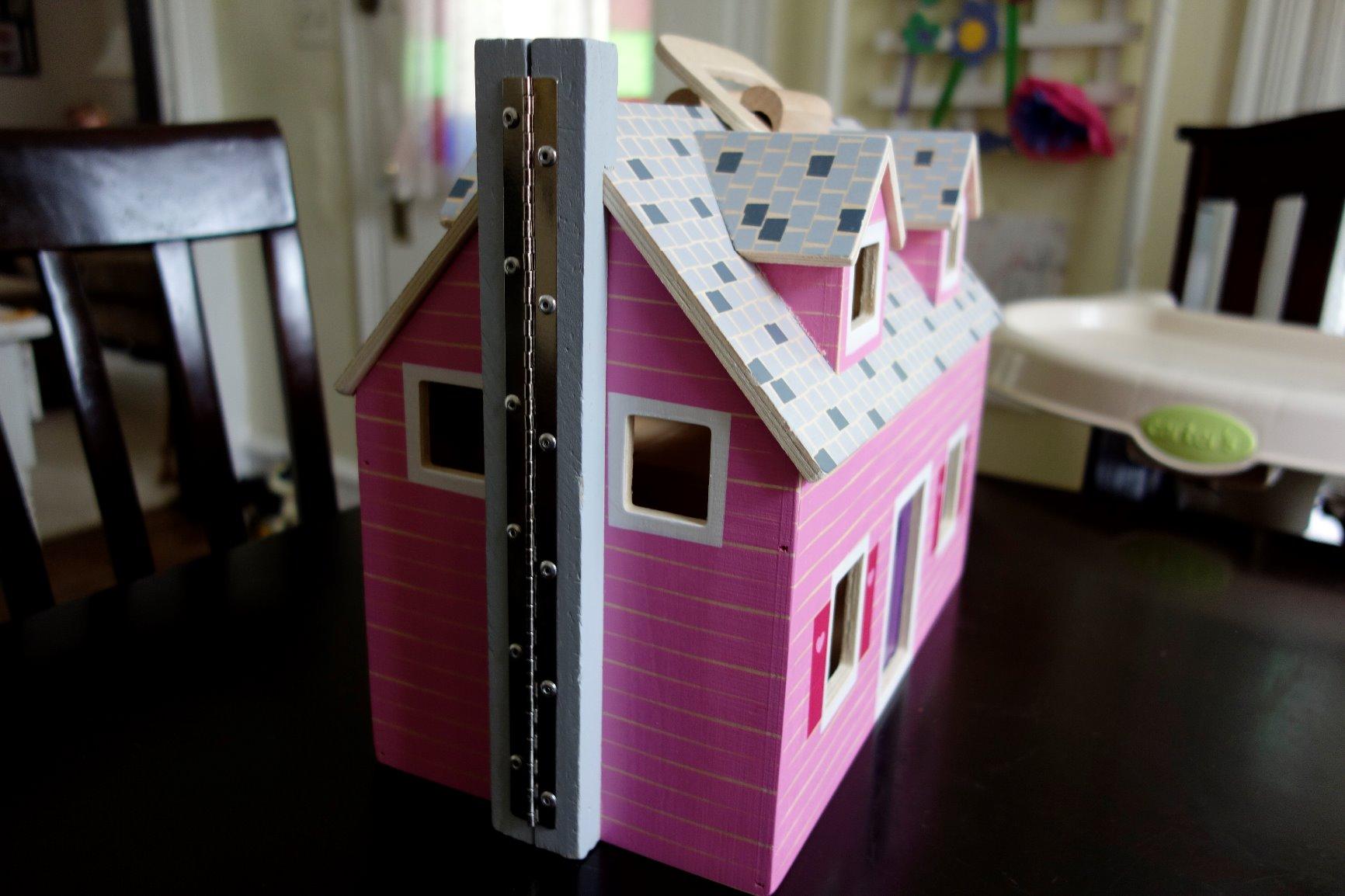

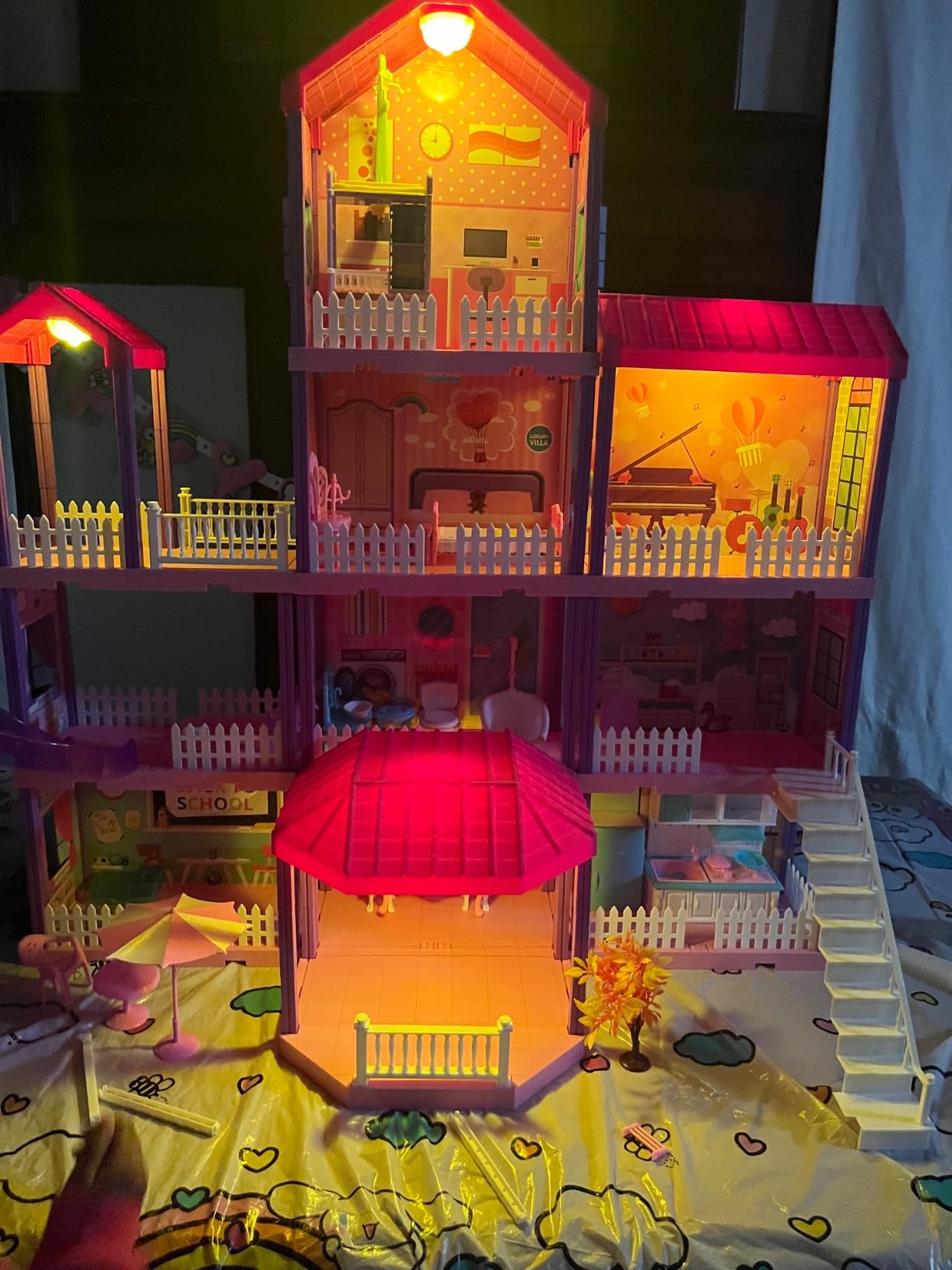


Pingback: What Are Sensory Toys? Parent's Complete Guide
Pingback: What Toys Have Button Batteries? Parent Safety Guide
Pingback: How to Clean Battery Corrosion in Toys Safely
Pingback: When Do Babies Start Playing With Toys? Month Guide